Because definitions of what a book is are naturally somewhat murky, so too is a definition of a poetry chapbook. Center for Book Arts Program Manager Jenna Hamed defines a poetry chapbook as a booklet of poems with a soft cover, fewer pages than a poetry book and created through a process of “conversation and collaboration.” At an event in March, chapbook artists and CUNY alumni showcased the works they created, which explored themes like identity and the creative use of multiple artistic and literary mediums.
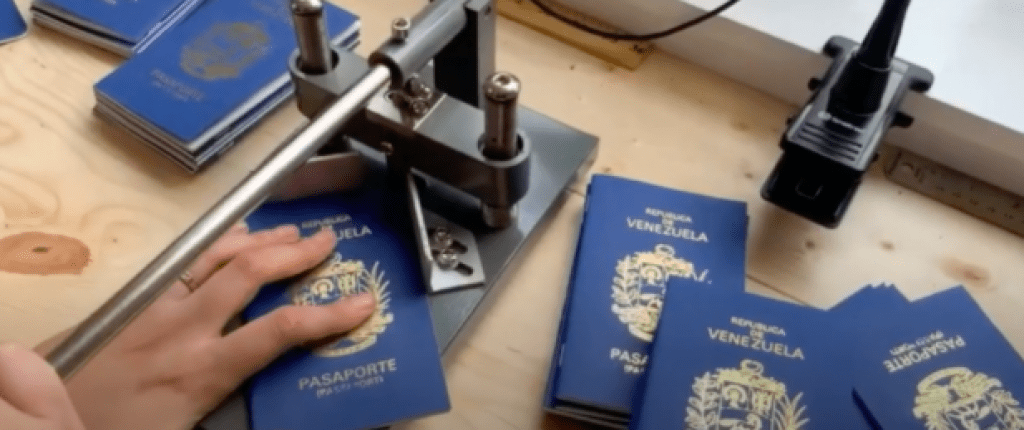
This open-ended and permeable definition of a poetry chapbook set the stage for a presentation and discussion of several chapbooks. Each chapbook incorporated a diverse array of imagery, subject matter and juxtaposition of visual art and poetry. A chapbook by artist Faride Mereb consisted of imitations of Venezuelan passports as meditations on identity. As a professional book designer, Mereb views art and bookmaking as inextricably interconnected. “I see bookmaking as an artistic practice,” she said.
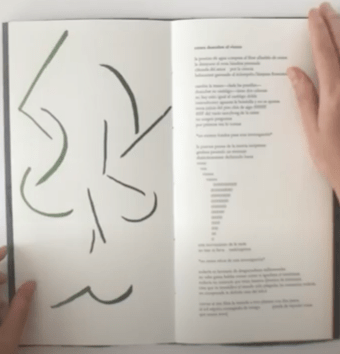
Printmaker and book artist Aurora de Armendi’s chapbooks combined poetry, myth and image. Her studies in printmaking made her interested in the book as an object. Additionally, her wide ranging artistic background led to a process of “conversation between the page and the image.”
“The chapbook is a great space where photography can be a conversation with poetry,” said photographer and artist Erika Morillo. Her photo books, zines and chapbooks used both. This appeared to accentuate the subject matter of her works, which consisted of primarily psychological and familial issues. She also used archival images to enhance the sense of historical narrative in her work.

Dudgrick Bevins, a City College MFA alumnus, poet and educator, presented a series of poems from his chapbook “Light Travels Further Than Sound.” This chapbook was a collaboration between Bevins and Allen Lanning, who was incarcerated at the time the book was written. Bevins and Lanning have been friends for over twenty years, and this collaboration centers on their friendship and shared experiences of trauma, loss, adolescence and personal growth. Throughout the reading, Bevins’ empathy for those who live or work at the margins of society is readily apparent. Bevins read several poems from this work, all of which explored various concepts of identity, from the experiences of adolescence to prison, darkness, light, the universe and other subjects.

Poet, social worker and Queens College MFA alumna Leila Ortiz’s poems are rooted in the experiences of adolescence, encompassing the triumphs and tribulations of navigating this period of life. Ortiz read several poems from her second chapbook “GIRL LIFE.” Like other readings, Ortiz’s content is also centered around issues of identity, in this case adolescent identity. However, Ortiz’s poems have a highly direct and visceral edge, including occasionally profane and highly charged imagery.

The work of Jiordan Castle, an MFA alumna of Hunter College and a poet, writer and editor, also explored the experiences of incarceration and other often marginalized groups. She also emphasized identity, particularly the identities of those who live in ways that are different from the norms and expectations of mainstream society. For example, one poem featured the perspective of a mentally ill person, while another poem highlighted experiences and imagery from Jewish traditions. Castle read several poems from her chapbook “All His Breakable Things,” focusing on topics both intimately personal and broadly political, such as mental illness, incarceration, Judaism and hope. “I think all poetry is personal and political,” she said.

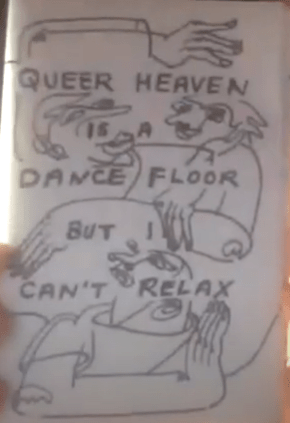
Brooklyn College MFA alum Charles Theonia, a poet, editor and educator, read poems from their chapbook “Which One Is the Bridge,” as well as a poem from a zine collaboration with visual artist Shaina Yang titled “Queer Heaven is a Dance Floor but I Can’t Relax.” These poems also centered on queerness, transitioning and other issues of identity. Theonia eloquently expressed their gratitude for the audience’s interest and engagement, saying “All poets probably want someone to pay such close, beautiful attention to the materiality of their work.”
A livestream recording of this event can be found on YouTube. Part 3 of the CUNY Chapbook Festival takes place on Thursday, April 15 from 4 to 5:30 p.m. To register for that event, click here.
 The Envoy
Leave a Reply