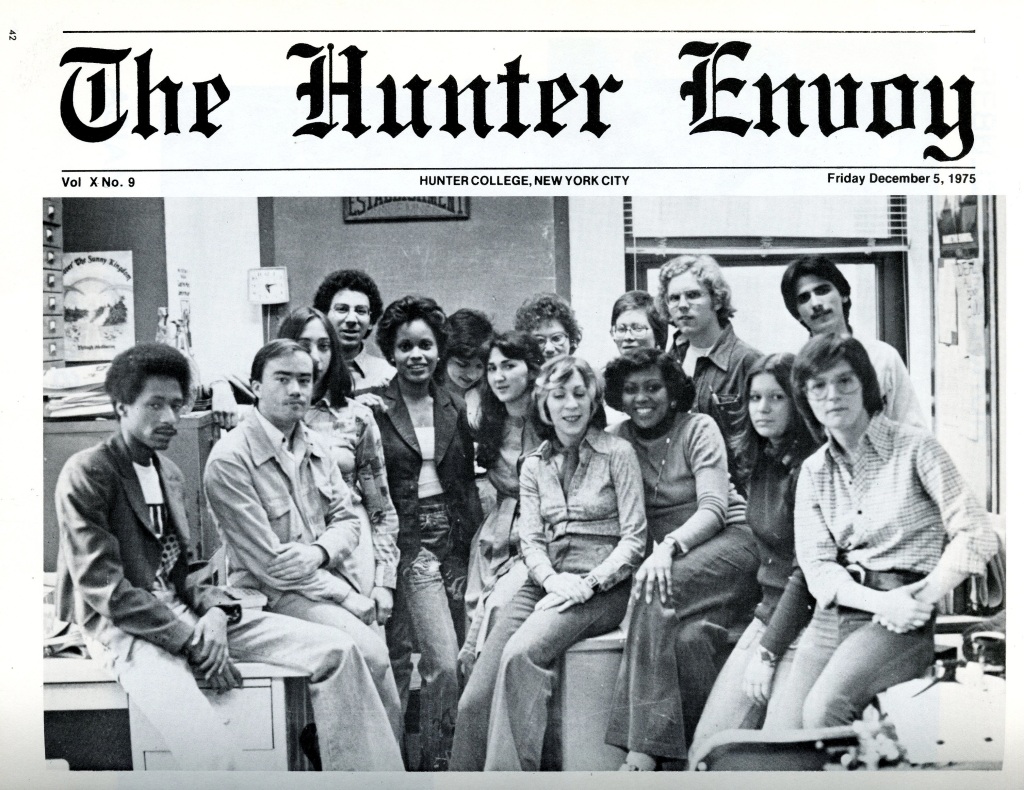
This year marks The Envoy’s 80th anniversary of being a central news source for all things Hunter and CUNY-related, but a lot has changed since its establishment.
In honor of the publications’ birthday, Sabrina Rosado took a look into the Hunter Library’s photo archives to showcase notable selections from past yearbooks, known as the “Wistarion.” The name stems from Hunter’s official flower, the wistaria, according to a page from the 1987 edition of the yearbook. The 68th Street building, it says, was originally covered by ivy and surrounded by wistaria.
If you’ve ever wondered what Hunter was like before your time at the college, capture a glimpse through these slice-of-life photos dating back several decades.
1944

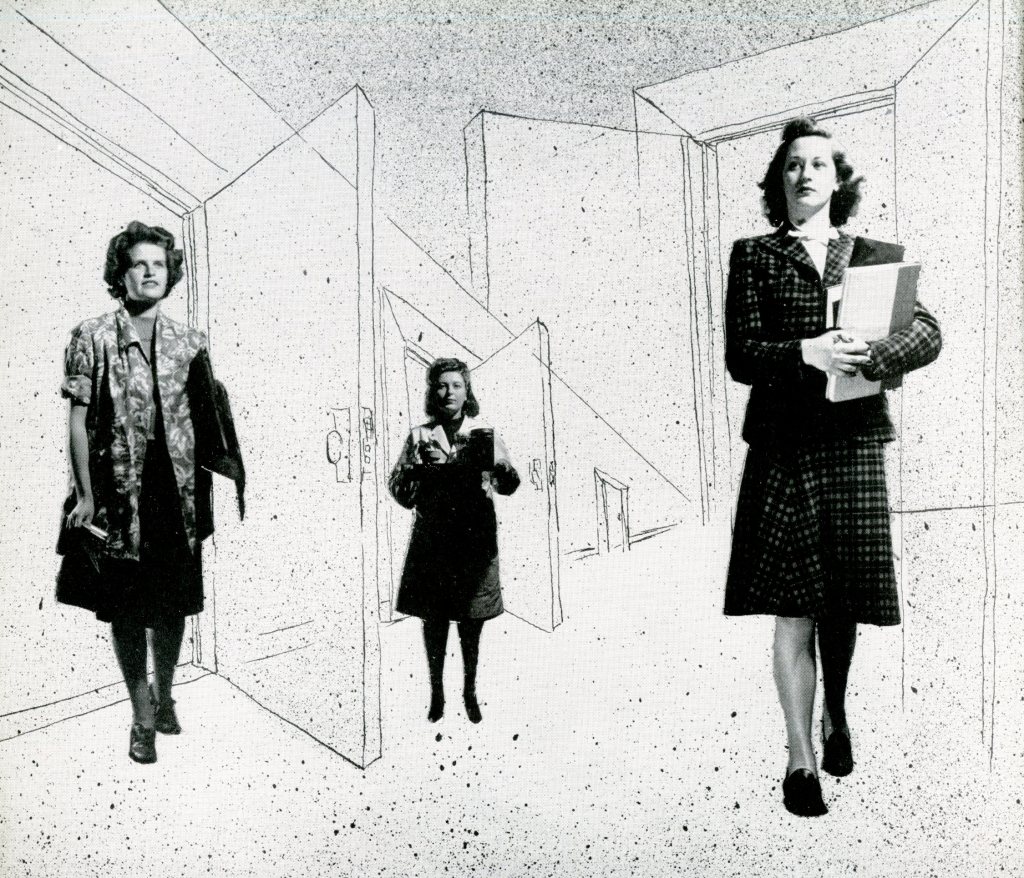

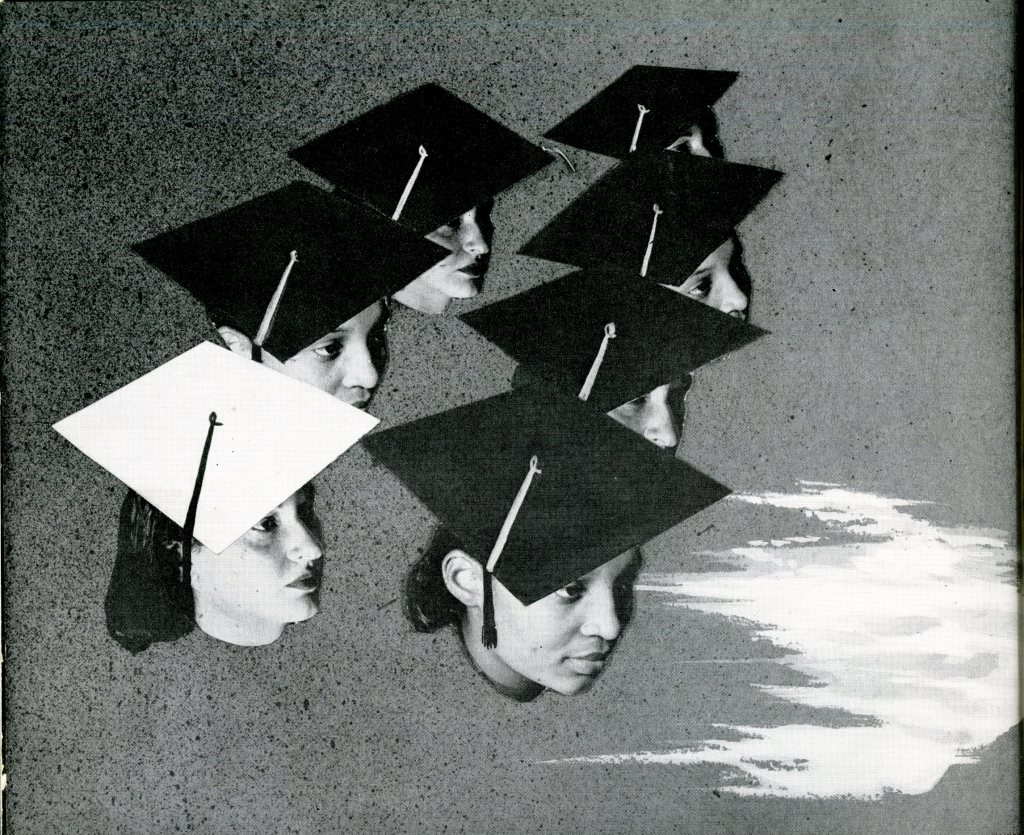
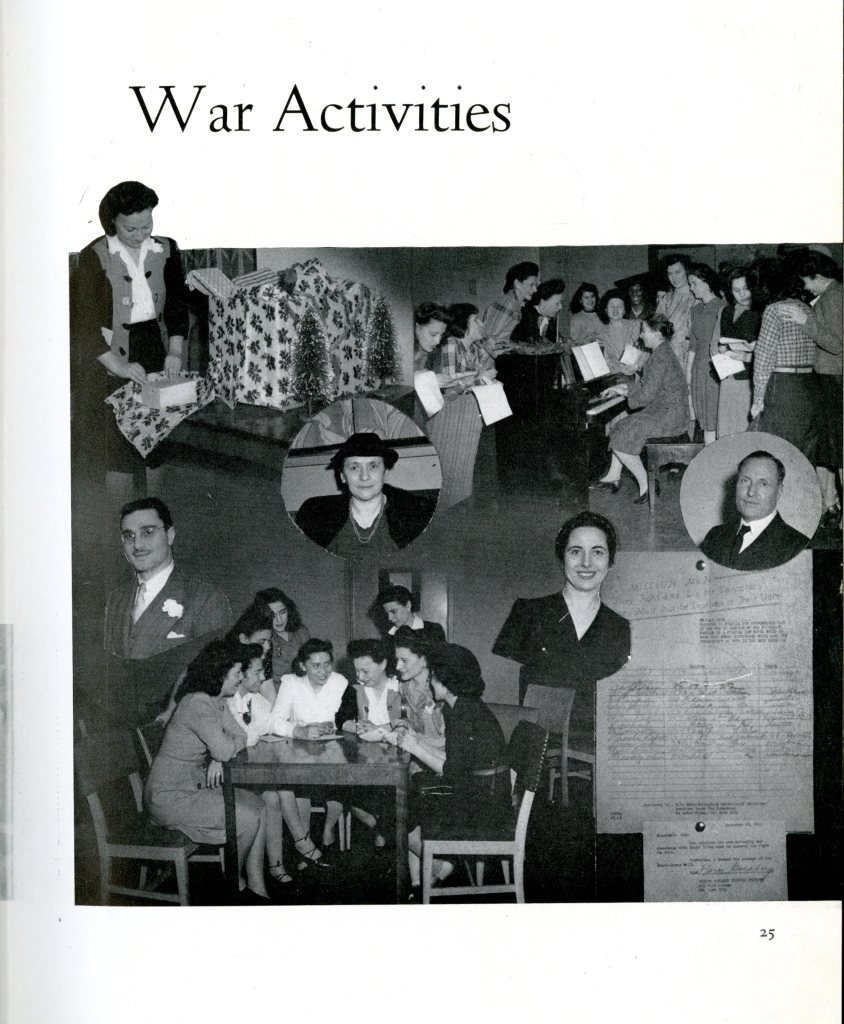
Photos via Hunter Wistarion 1944 yearbook.
Major historical events were taking place during the year The Envoy was established. World War II was still raging overseas, with many college-aged young men being drafted into combat. While they were away, women back home helped with the war effort, some while attending school. This did not stop Hunter’s students from being active in campus life, echoing the school’s history as the first public, tuition-free college for women in the United States.
One of their methods to combine war contributions with uplifting campus spirits was a pin-up boy contest hosted by the Student Aid Fund of Hunter College. The event raised $200 for students in need from photographs of servicemen thanks to its 200 entrants.
1954
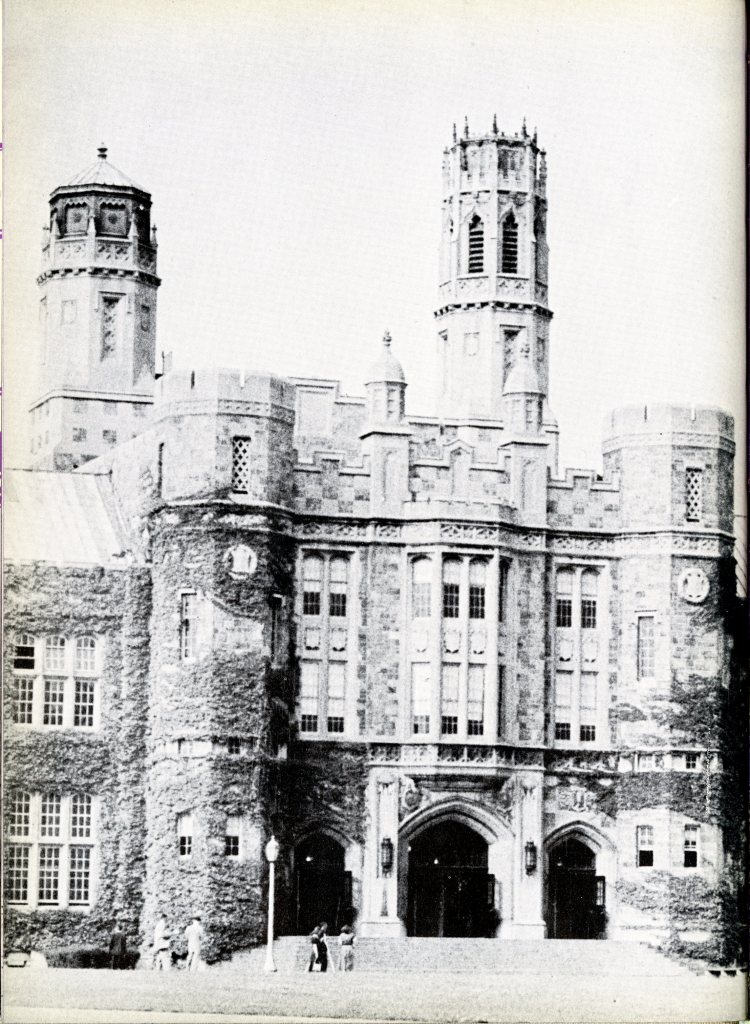

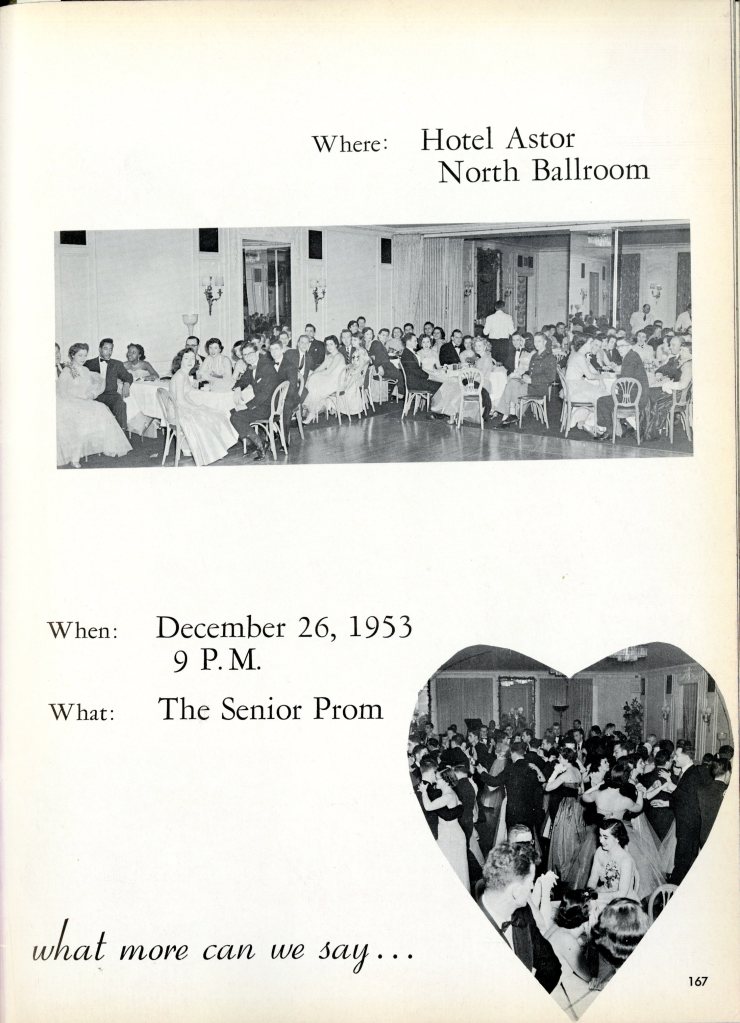

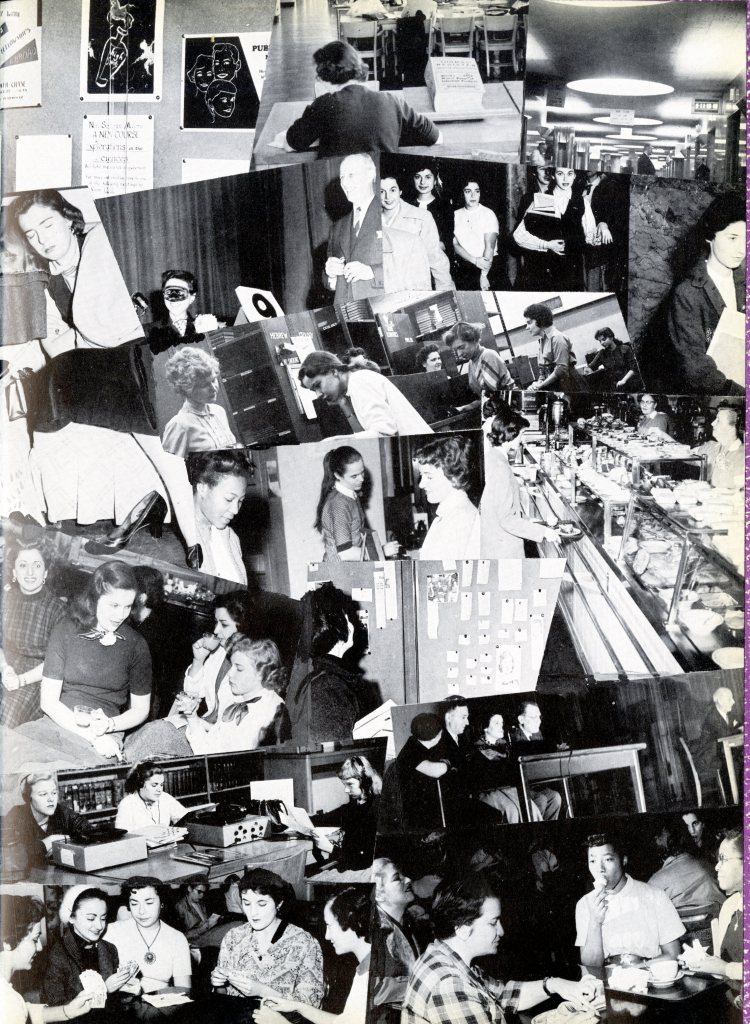

Photos via Hunter Wistarion 1954 yearbook.
Aside from originally being an all-women’s college, Hunters’ campus also used to be in The Bronx (pictured above). It resembled a typical college campus with many wide, outdoor spaces and Gothic buildings. A stark contrast from the crowded city streets and towering buildings surrounding Hunter’s campus in Manhattan.
The Bronx campus was constructed in the late 1930s and was leased to the United States Navy during World War II to train women in the Women Accepted for Volunteer Emergency Service (WAVES) program. WAVES was a branch of the United States Navy’s Naval Reserve that enlisted women to perform a variety of jobs like engineering and hospital work. Hunters’ Bronx campus became fully coeducational in 1951, and would later become Lehman College in 1968.
1964
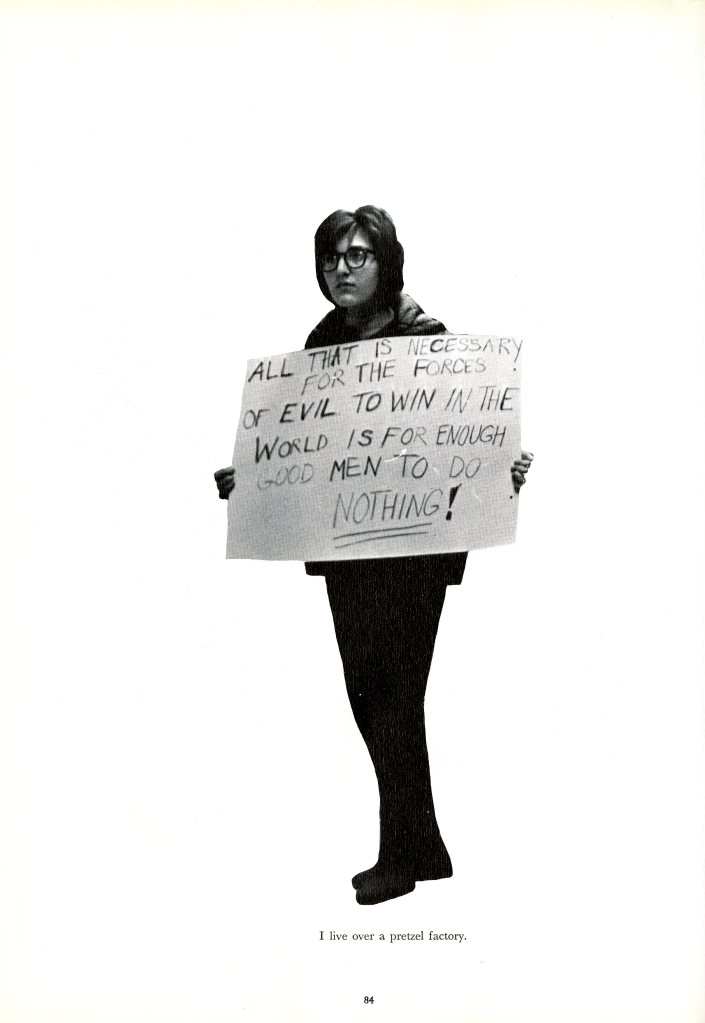
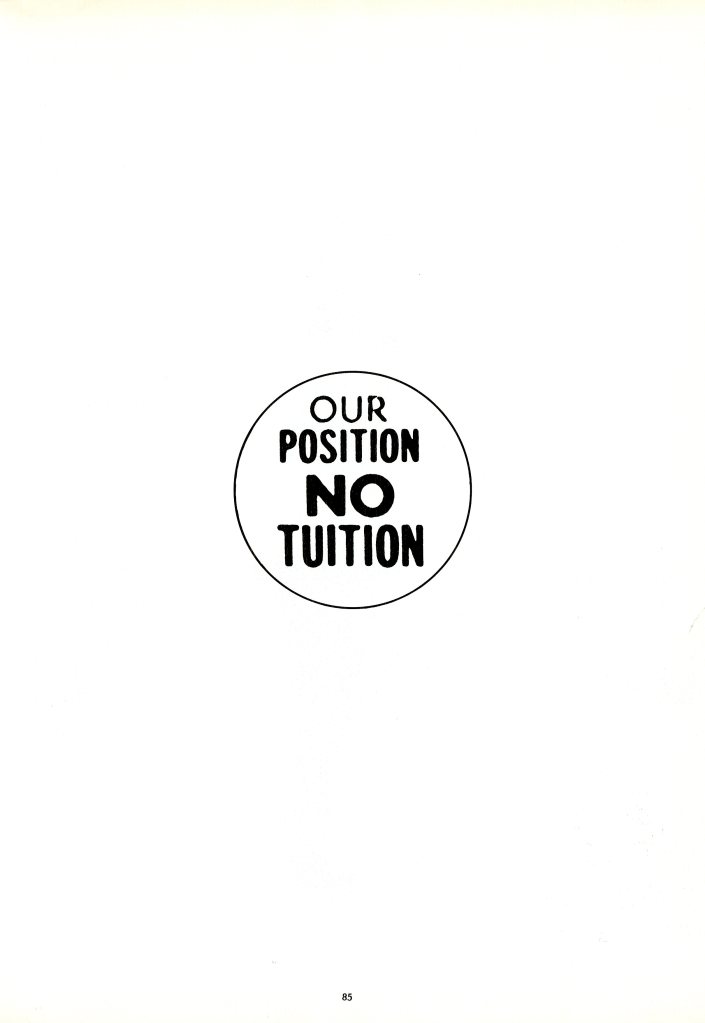

Photos via Hunter Wistarion 1964 yearbook.
In the 60s, major social justice activism that swept the nation like the civil rights and anti-war movements affected Hunter’s campus, reflecting Hunter and CUNY’s long history of student activism.
Hunter officially began admitting men to their newly-opened Manhattan campus in 1964, likely inspiring the “BAN THE BOYS” statement printed in the Wistatorian, though it’s unclear why this was a strong stance or if this was a popular sentiment shared among students.
The statement “OUR POSITION IS NO TUITION” reveals that free and affordable tuition was always a main concern for students. Free tuition ended in 1976, coinciding with an influx of Black and Latino undergraduate students into CUNY schools. This added pressure for the Board of Higher Education (BHE) to adopt an open admissions policy, which went into effect in 1970.
1974
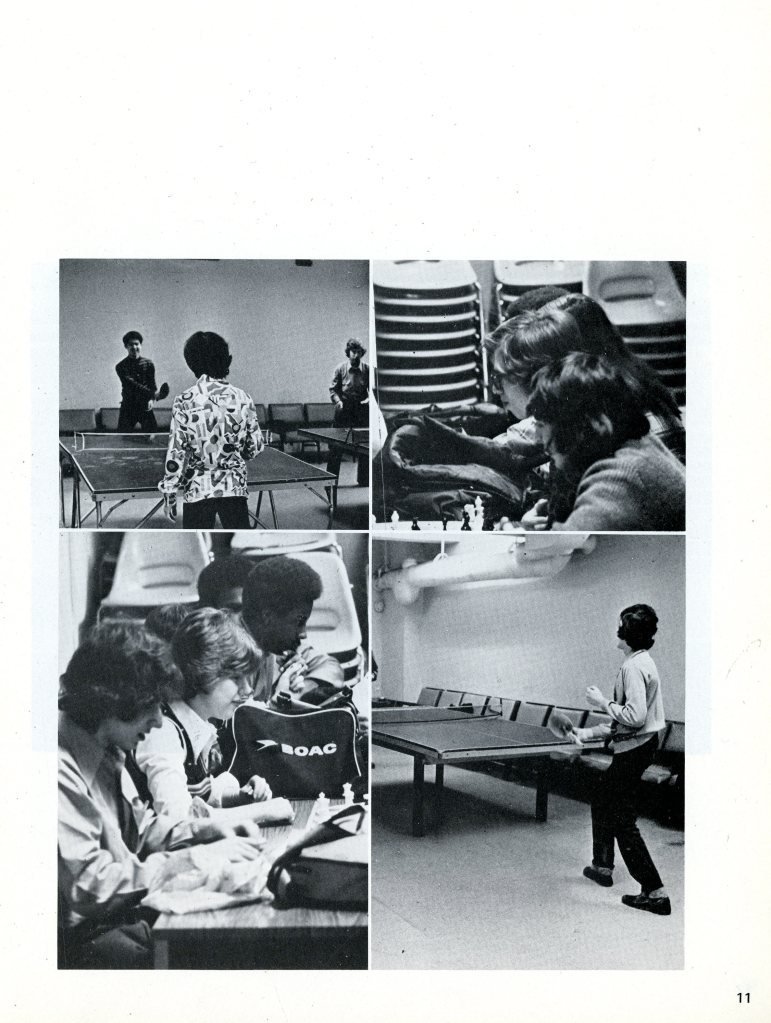
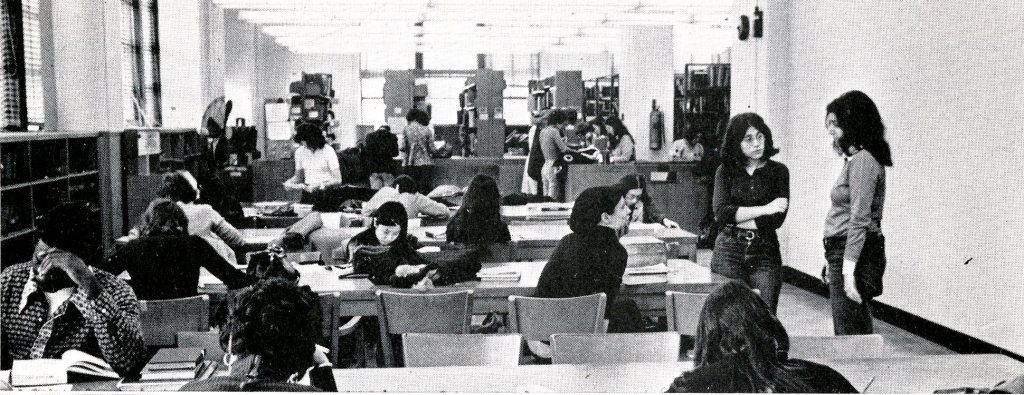
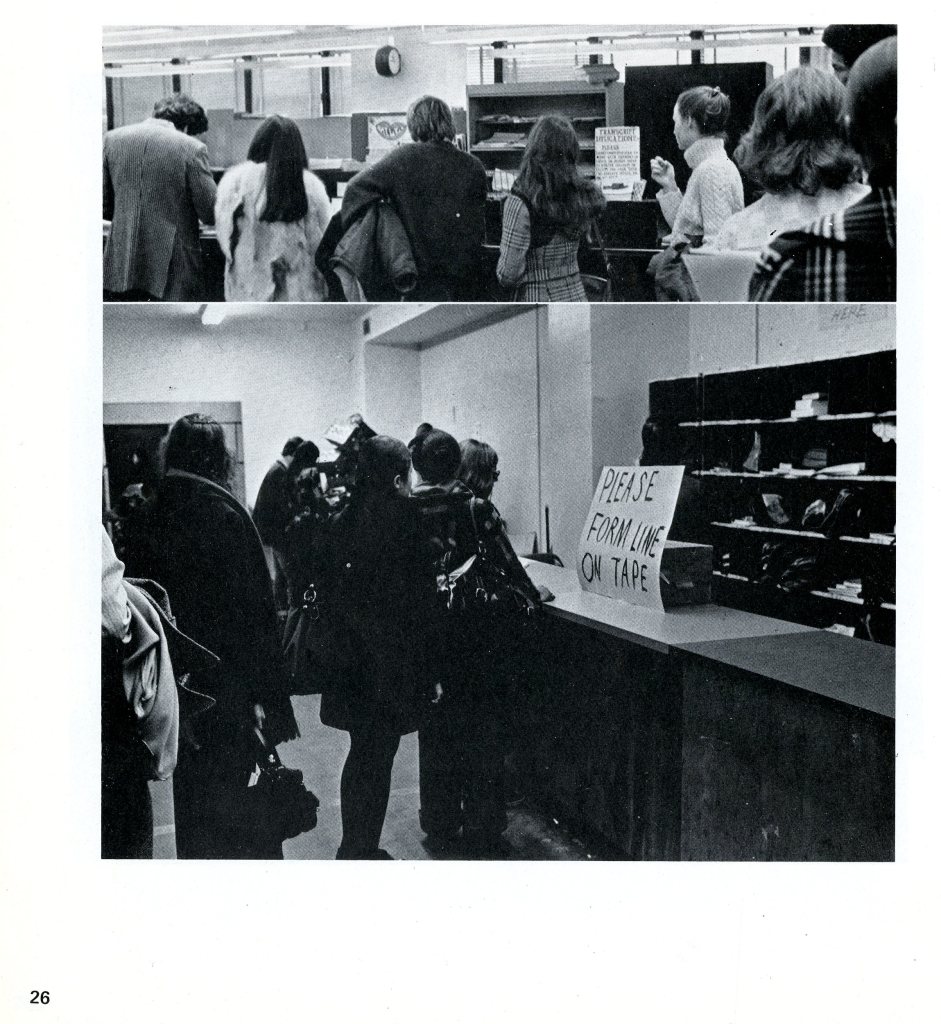
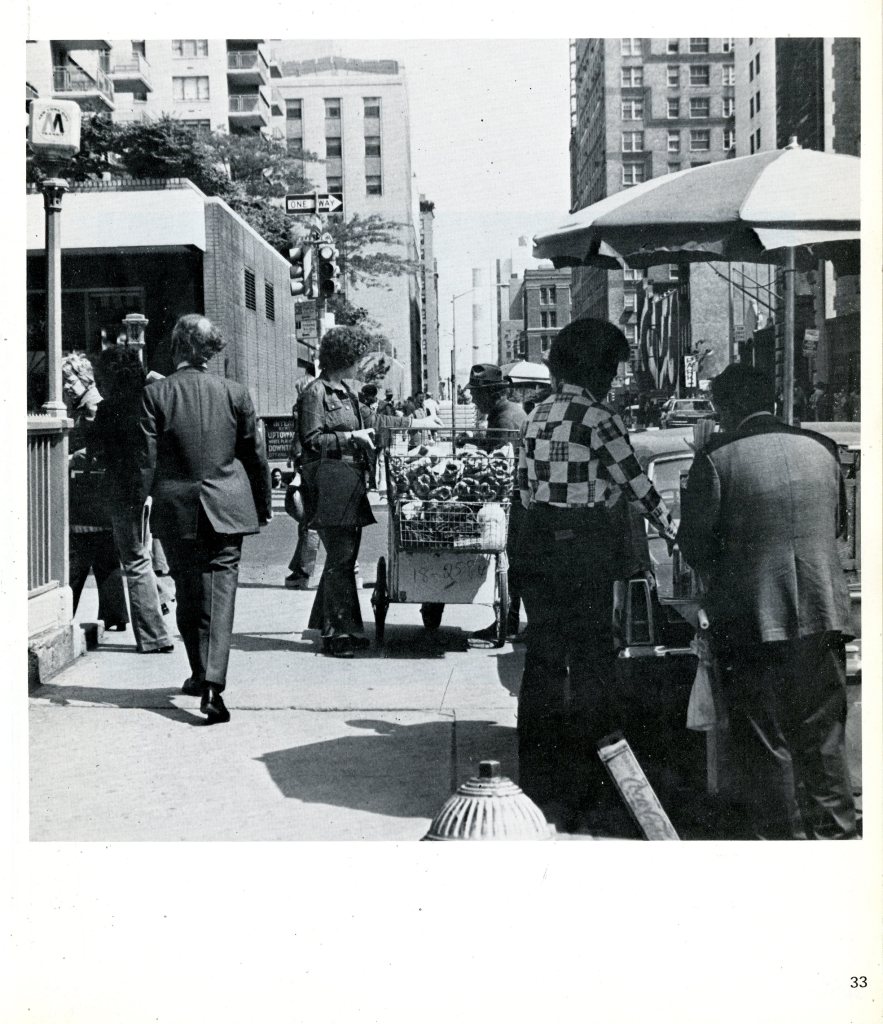
Photos via Hunter Wistarion 1974 yearbook.
Long gone are the days when students could pick up textbooks at the registrar’s office instead of the basement at Shakespeare & Co. They could be found playing ping pong with friends in their downtime, or even stopping for a drink at the proposed on-campus pub to take a load off.
Hunters’ student body was rapidly changing with the implementation of CUNY’s open admissions policy at the beginning of the decade resulting in a significant increase in the student population. The policy guaranteed a college education to anyone who graduated from a New York City high school. Students from historically underrepresented groups benefited the most from this, and it further diversified Hunter’s racial makeup.
Much of the civil unrest that was seen during the ‘60s continued into the ‘70s as dissatisfaction with the Vietnam War, racial policies and Hunter overall grew. Meanwhile, new programs like the Department of Black and Puerto Rican Studies (now Africana/Puerto Rican and Latino Studies), Women’s Studies, Asian Studies and Bellevue Hospital’s nursing school were incorporated into Hunter.
1984
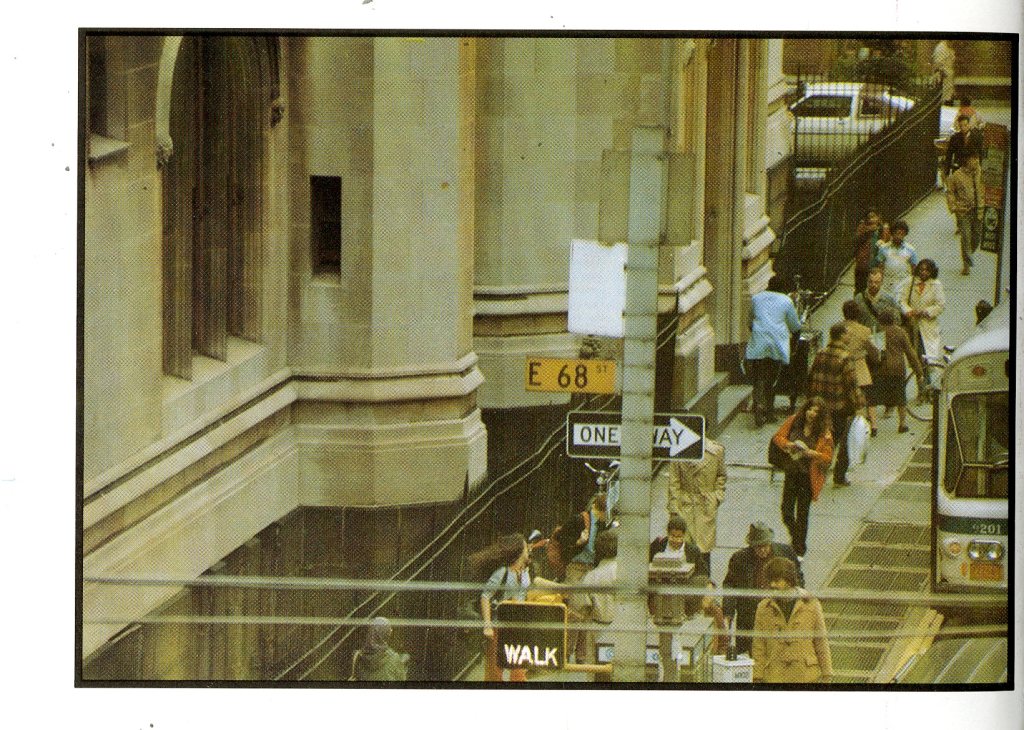

Photos via Hunter Wistarion 1984 yearbook.
People say everything was bigger in the ‘80s, and Hunter was no exception.
To accommodate for the high influx of students, the East and West buildings opened in 1984. These expansions included an extended library, student lounges, additional classrooms, a gymnasium and two new cafeterias.
Former Mayor Ed Koch was among the 3,500 attendees of the grand opening. They were greeted by jugglers, a mime troupe and a 10-foot high Chinese lion in the West building’s main reception area, along with jazz and classical music that “filtered down from groups playing on the floors above,” The New York Times reported.
Other student programs were underway, like a childcare center and an employee assistance program. The Center for Puerto Rican Studies (CENTRO) also found a home at Hunter in 1982 to further advance Puerto Rican studies.
1994
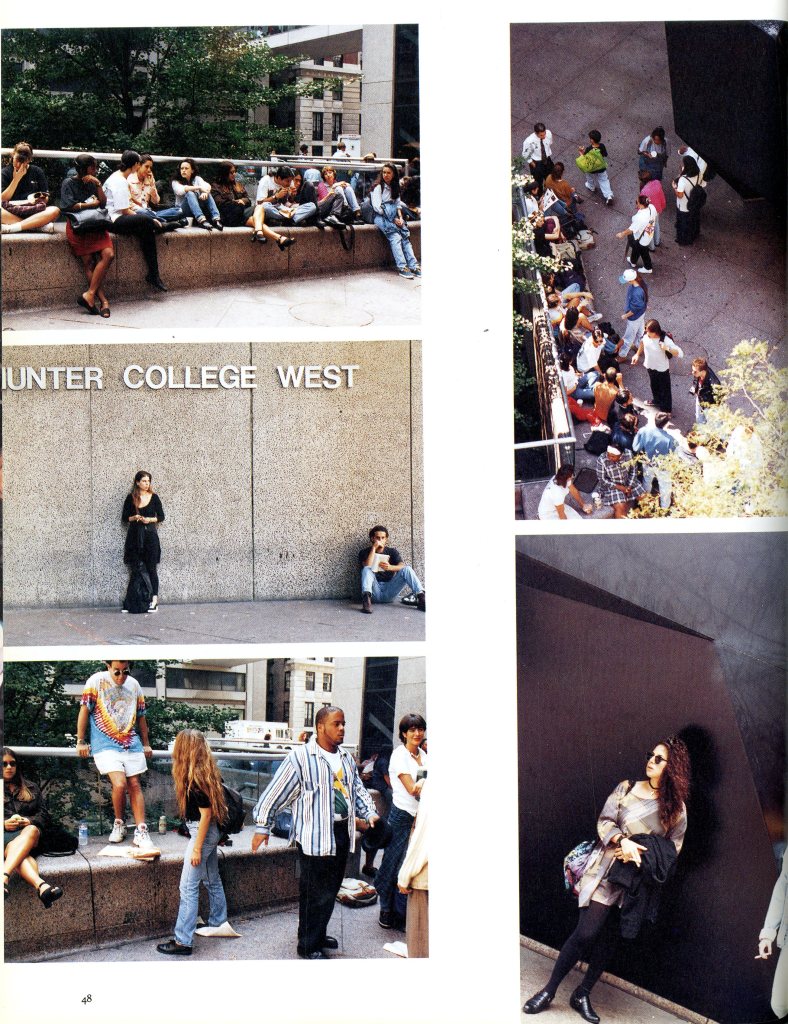
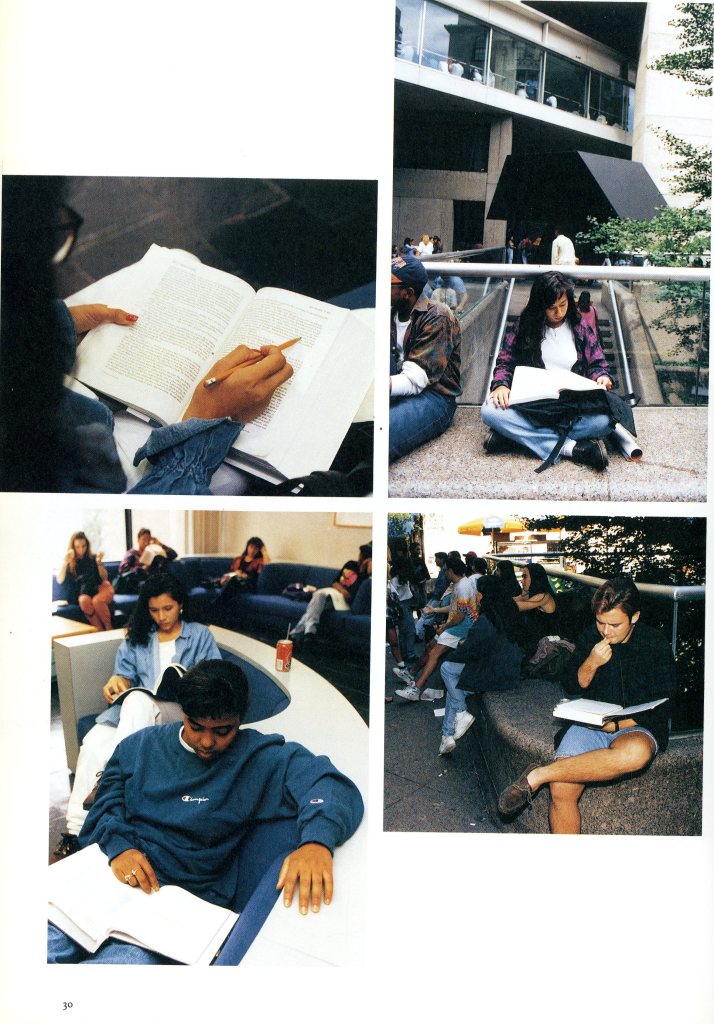
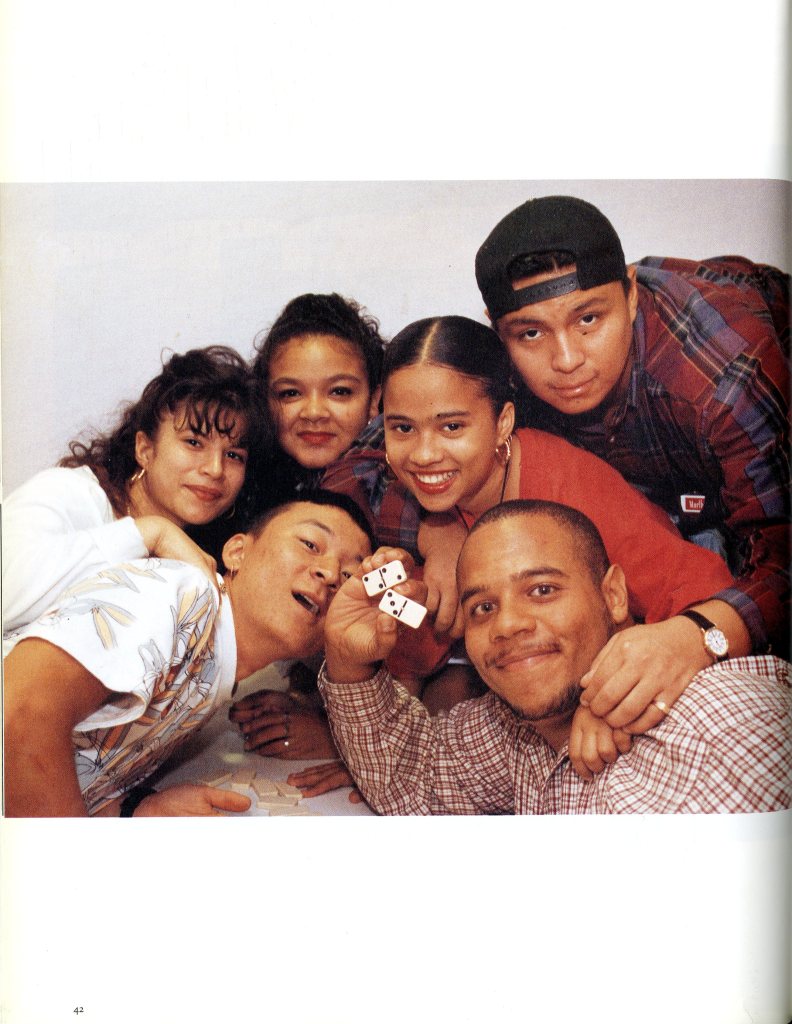
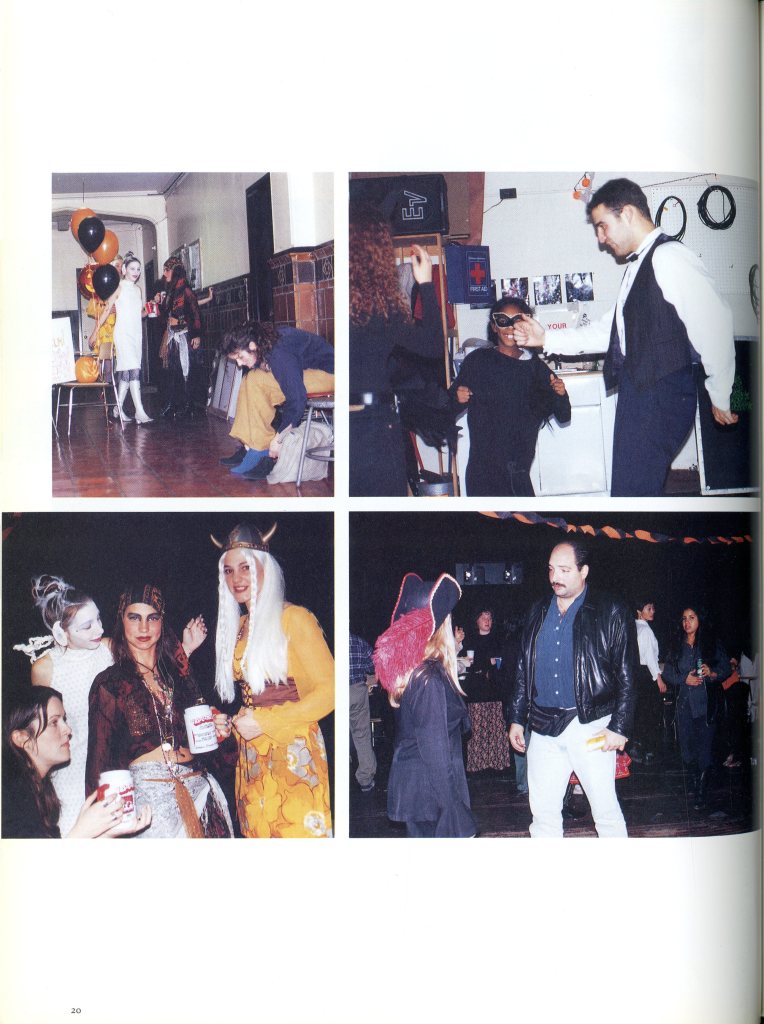
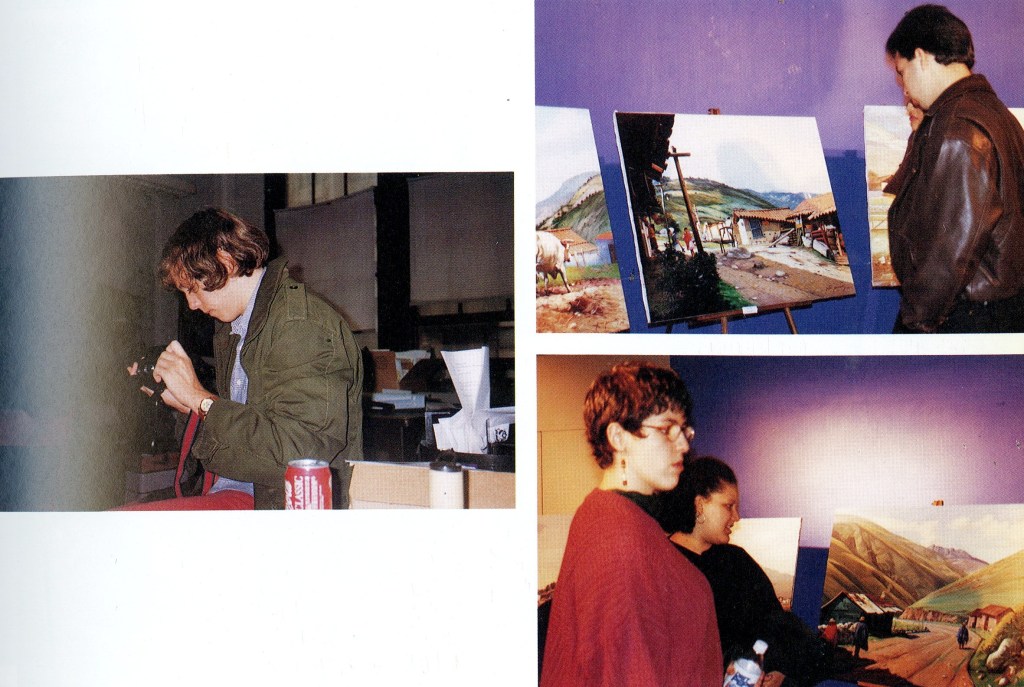

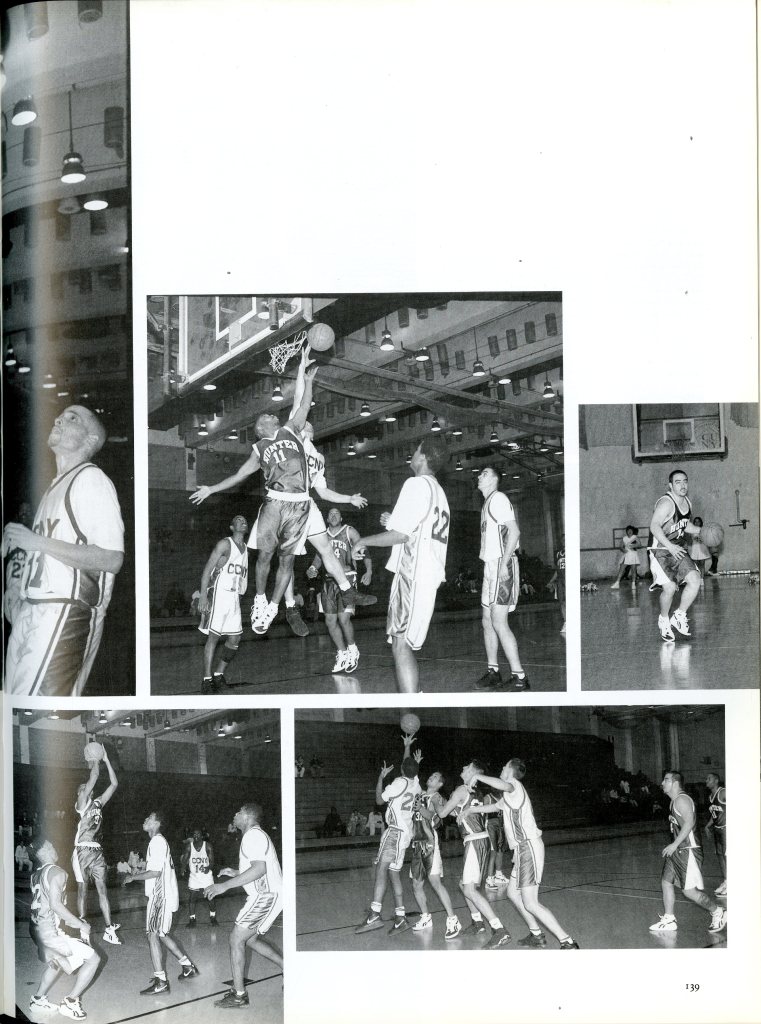
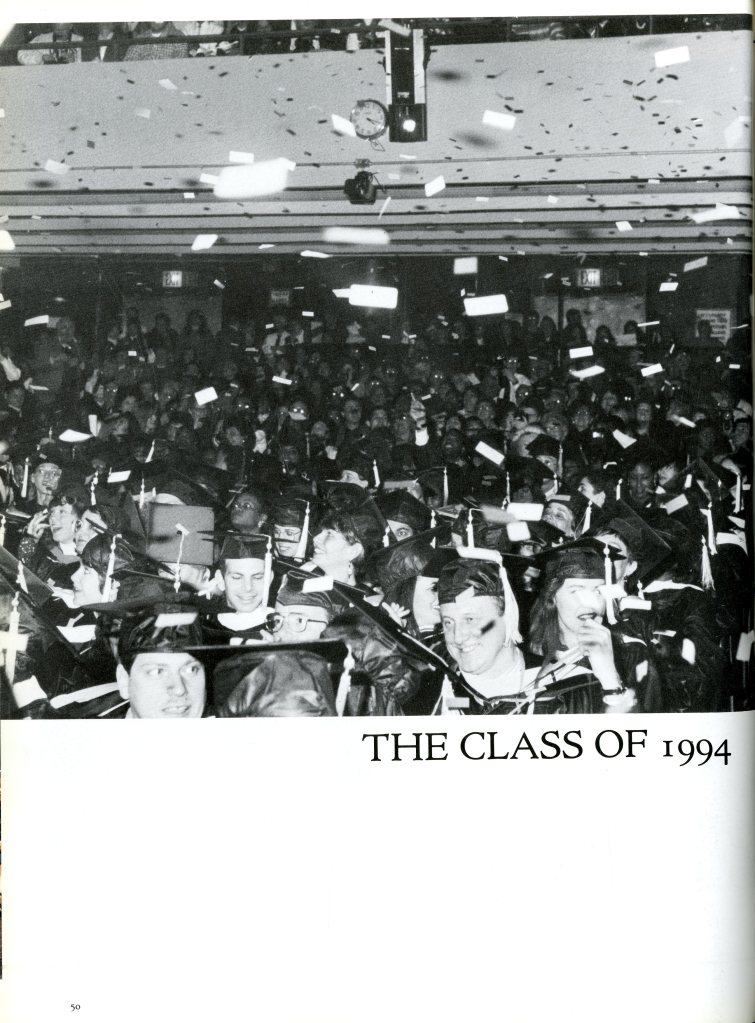
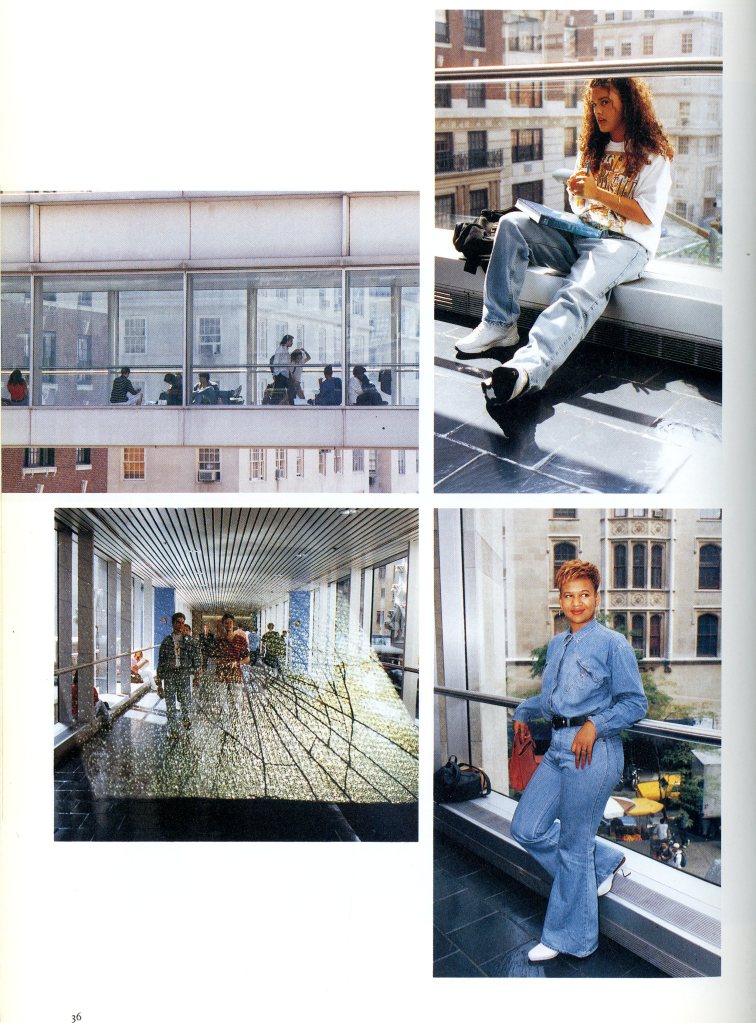
Photos via Hunter Wistarion 1994 yearbook.
These photos provide a glimpse into what the typical Hunter student was up to in the ‘90s: studying from paper textbooks and meeting up with friends to play games like dominoes. Staples of ‘90s fashion were never more apparent. Flannel shirts, baggy jeans, fanny packs, and grunge-inspired ensembles were all sported by students.
Many current students can’t remember a time when there wasn’t a construction site outside Hunters’ doors, but in the ‘90s, students could still hang out on the benches that lined the main entrance to the 68th St. – Hunter College subway station.
2004
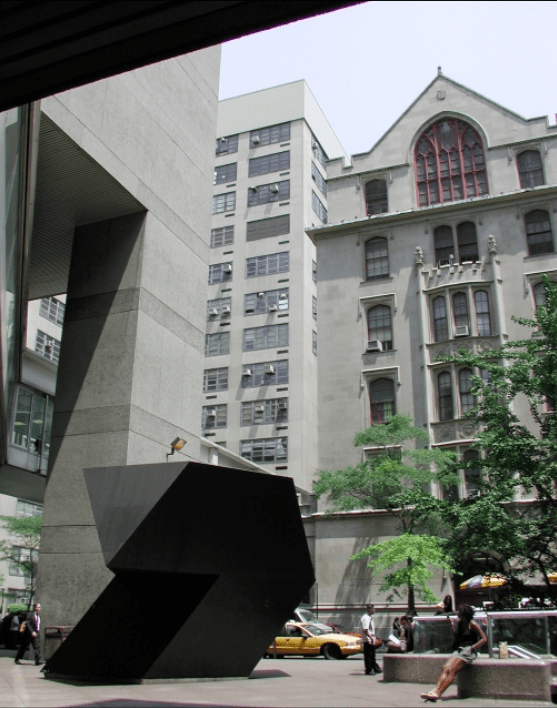
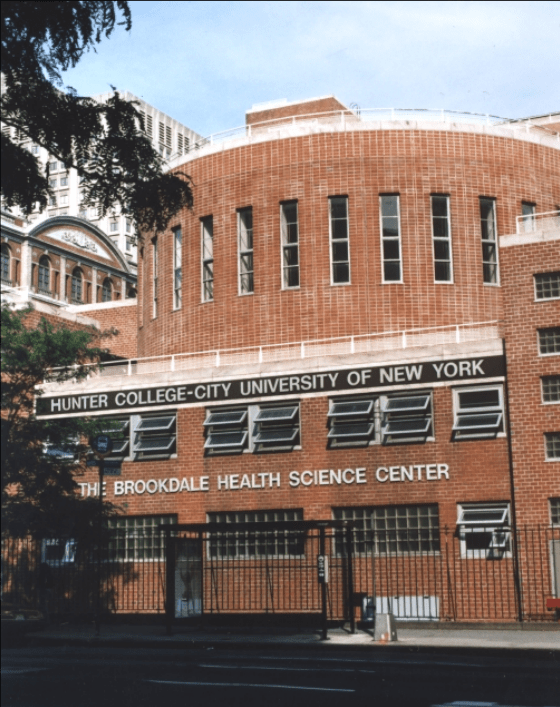
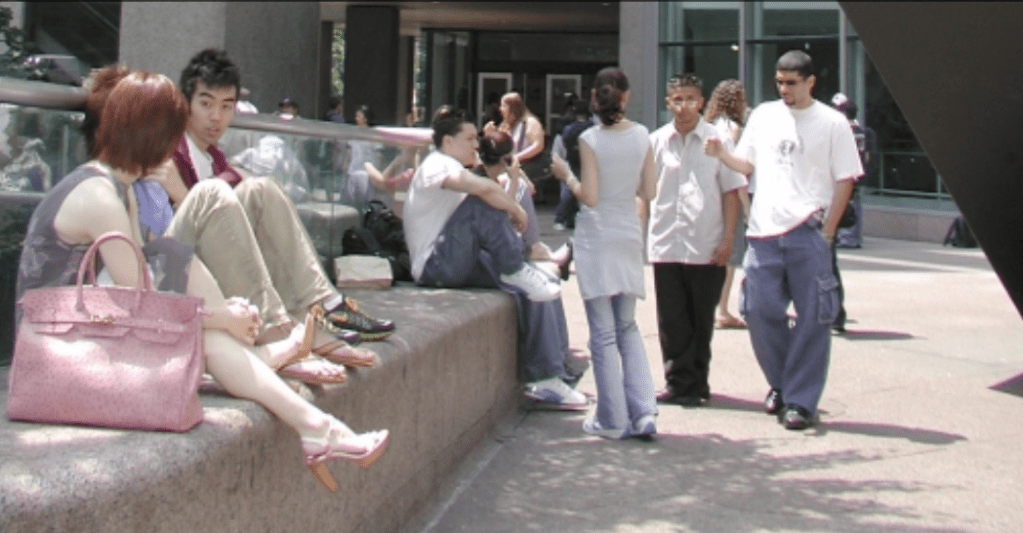
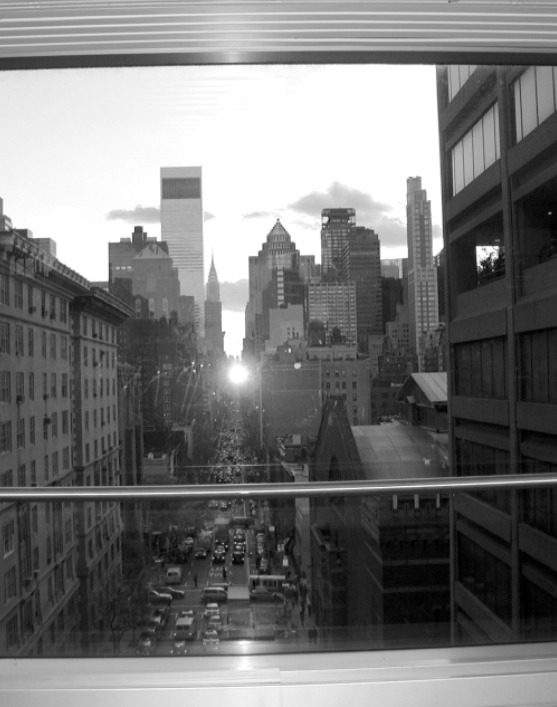

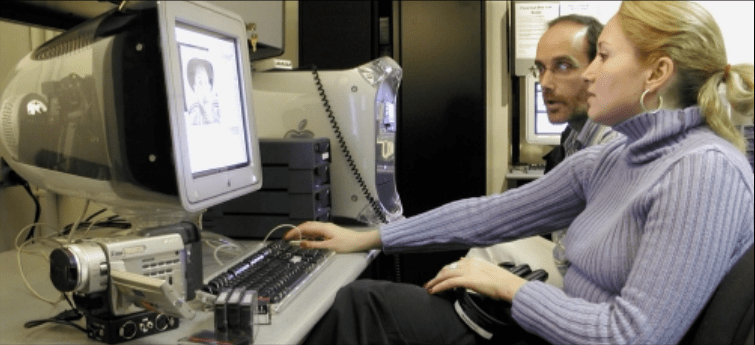
Photos via Hunter Wistarion 2004 yearbook.
If you were applying to Hunter in the early 2000s, you had to flip through a physical course catalog to search for classes instead of looking digitally on Schedule Builder. Pages of the catalogs would feature pictures of a diverse student body focusing on their studies. These images depicted all areas of study, from nursing students learning in a mock hospital to film students editing videos they took on a camcorder.
Hunters’ iconic “Tau” sculpture, designed by architect and former Hunter professor Tony Smith, could also be seen outside of the West Building. It was installed in 1984 when the building first opened and was removed for restorations in 2018. It’s yet to make a reappearance.
The school was ranked fourth place in the diverse student population category and 12th place in the “best bargains” category for public colleges, in a survey by The Princeton Review that year.
2014



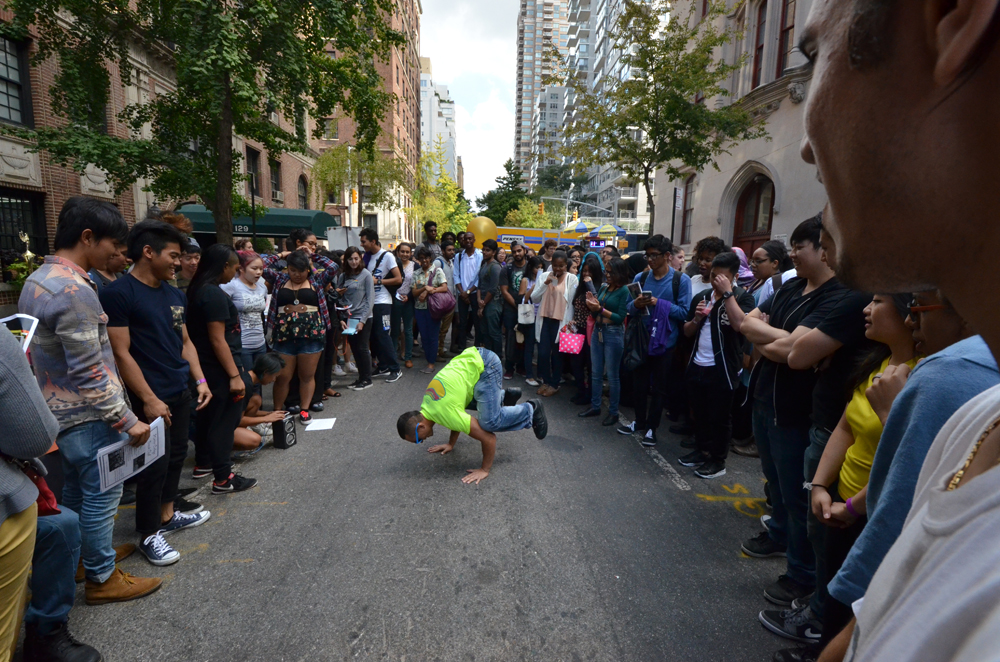
Photos via Hunter College.
Hunter made headlines well into the 2010s with the Dalai Lama visiting to receive the President’s Medal from former Hunter President Jennifer J. Raab at the Roosevelt House Public Policy Institute. He returned two years later to receive an honorary Doctor of Humane Letters degree for his humanitarian work at a ceremony attended by over 2,000 people.
One of the other major developments around this time was the addition of the Baker Theatre Building. The Hunter Theater Department received a gift of $15 million from Hunter trustee Patty Baker and her husband Jay Baker to acquire and renovate the building on East 67th Street, according to a press release. The Bakers initially said they would donate $10 million, but during a Board of Trustees meeting, they raised their hands and said they’d be increasing their sum by 50 percent, which was met by cheers and applause.
Hunter was also declared “the crown jewel of the CUNY system” by the Princeton Review near the end of the decade in 2018.
2024



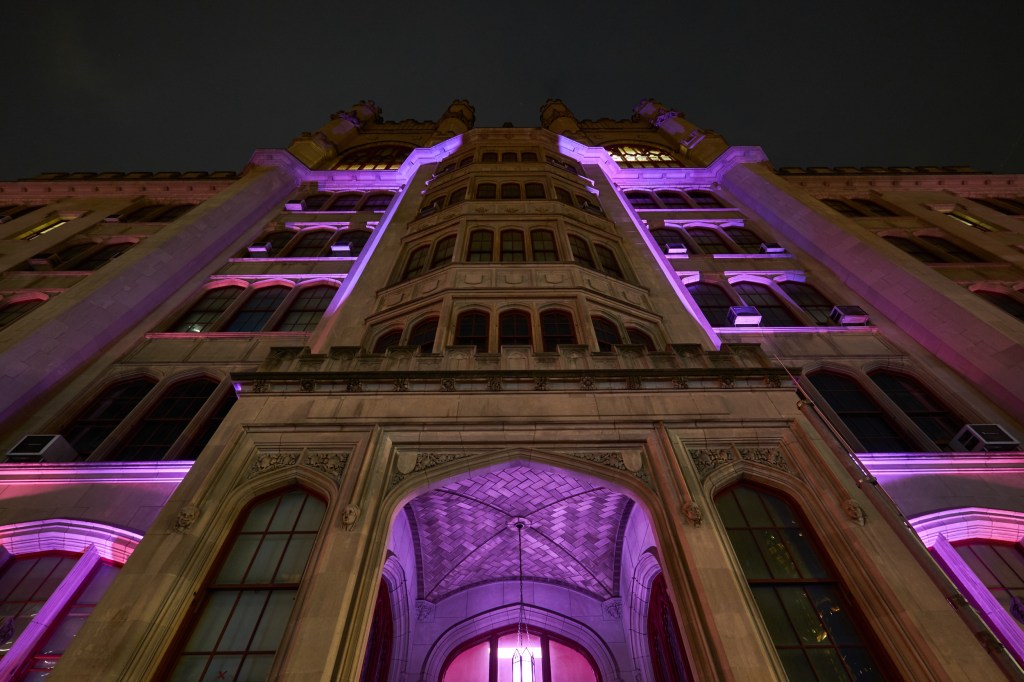
(Photos 1-3 Credit: Pamela Rozón. Photos 4-8: Hunter College)
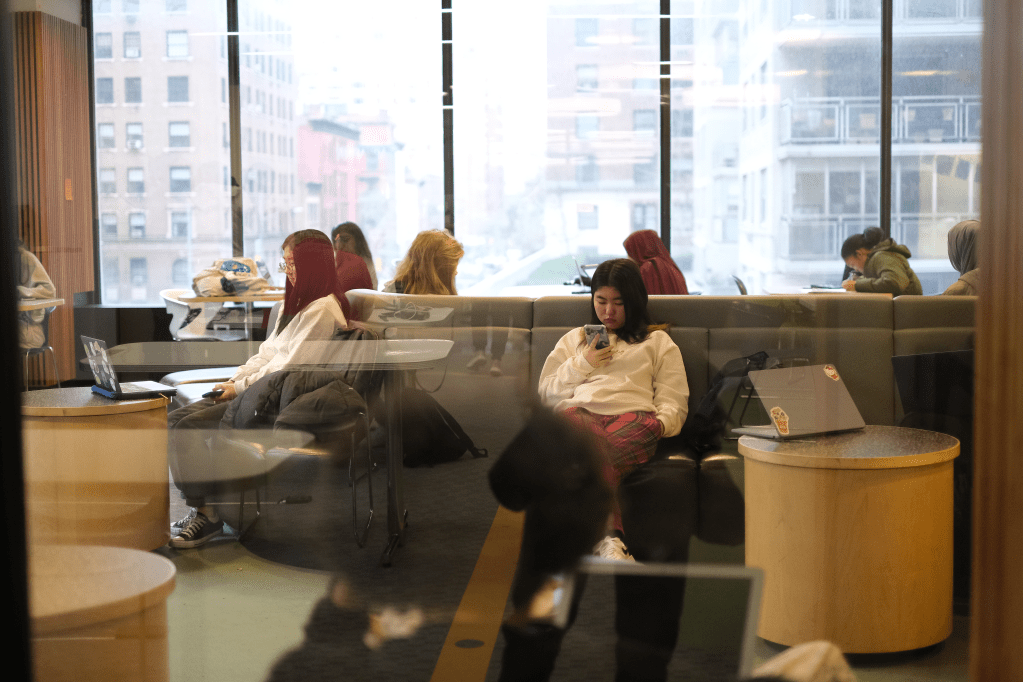
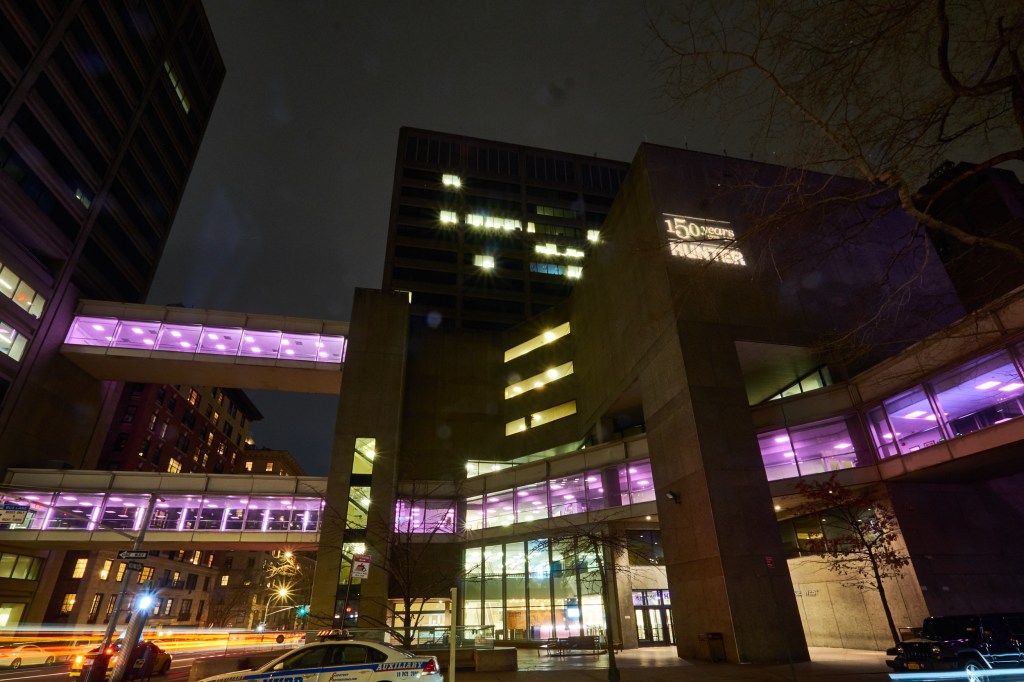
As the school celebrates its 154th anniversary this year, Hunter has endured several changes going into the 2020s. The COVID-19 Pandemic kicked off the decade by forcing campuses to close and classes to go remote. School partially reopened during the Fall 2021 semester with many classes on a hybrid schedule.
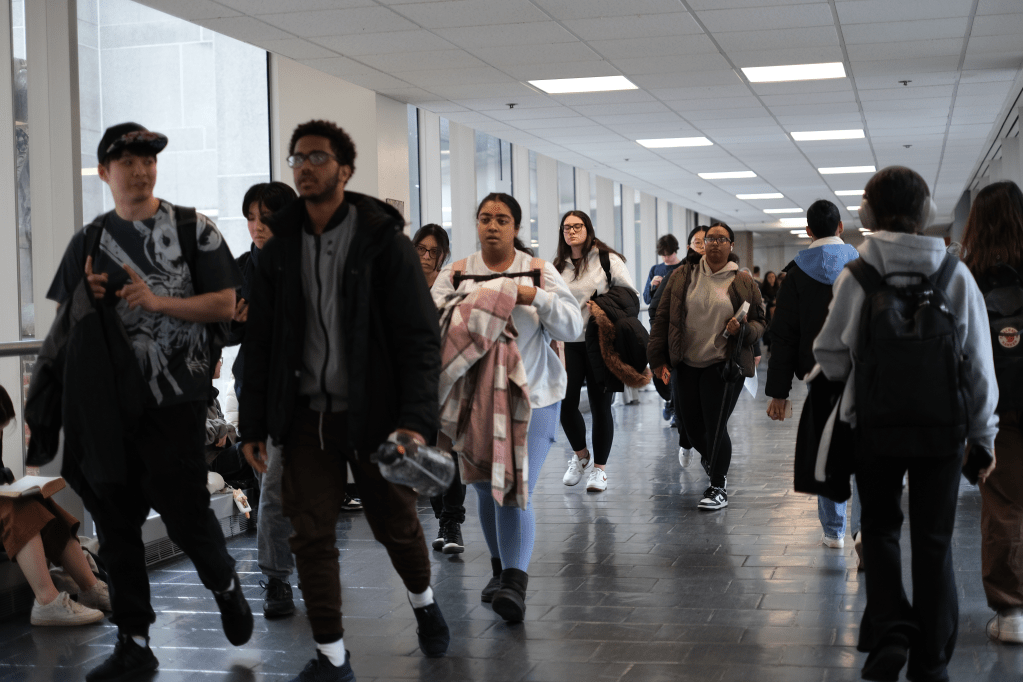
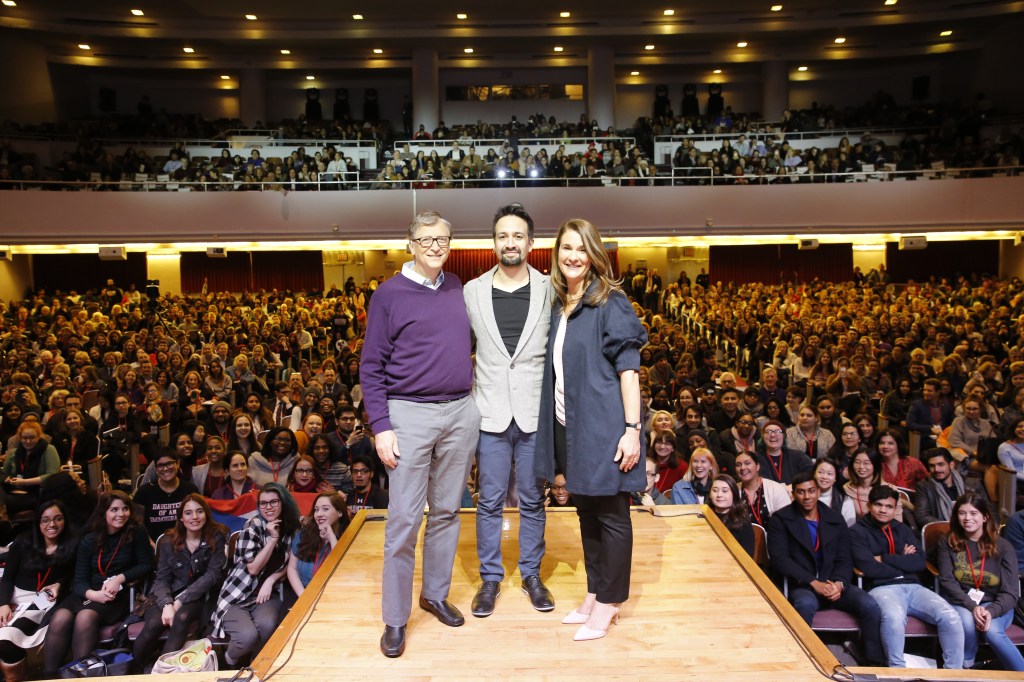
The campus has fully reopened now that social distancing and other pandemic-related guidelines have been relaxed or lifted. Events that attract large gatherings and enhance students’ college experience have returned almost entirely.
The student population is growing and more diverse than ever. Hunter has a 68 percent minority enrollment when it comes to ethnic diversity and women still make up the majority of students at 66 percent, according to a U.S. News & World Report’s “Best Colleges” rankings report.
Hunter is ranked sixth place in the “Top Public Schools” category of the report. But the college still faces many challenges, like crippling infrastructure and loss of affordable student housing, that were only accelerated by the pandemic.
This year, the college announced Nancy Cantor as the school’s 14th president after the sudden departure of former president Jennifer J. Raab, who led Hunter for 22 years.
As Hunter continues to adapt to the ever-changing college experience, so will The Envoy as we maintain our commitment to providing the community with fearless, accurate journalism.
We thank our readers for this 80-year journey so far, and look forward to the future ahead.
To see more photos from past Hunter yearbooks, please check out the Hunter College Flickr Photo Archive.
 The Envoy
Leave a Reply