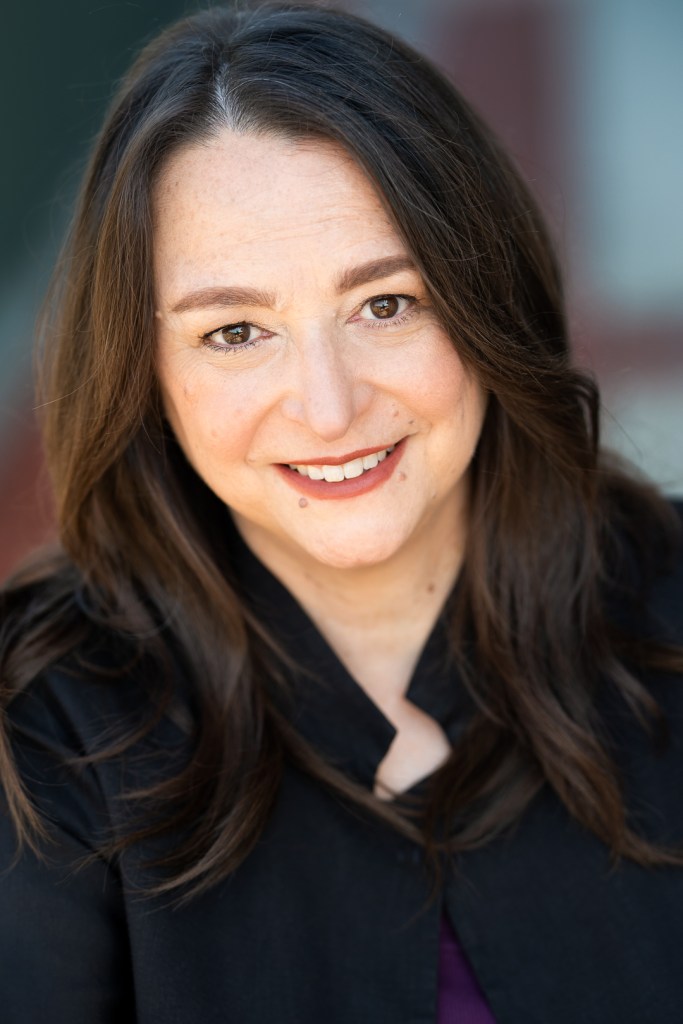
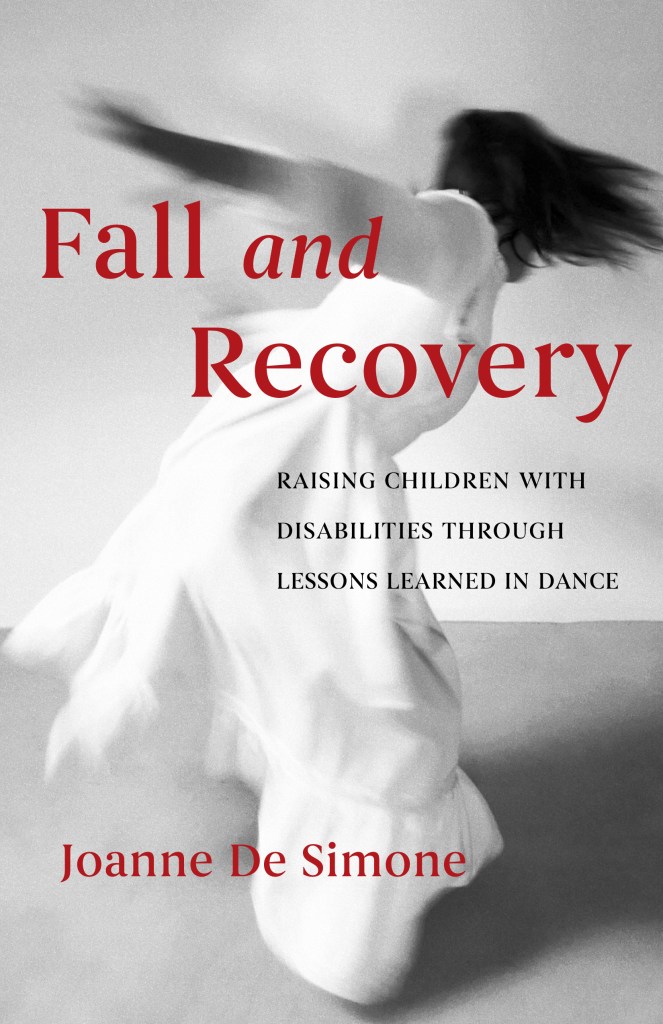
Hunter alumna Joanne De Simone released her new book “Fall and Recovery: Raising Children with Disabilities through Lessons Learned in Dance” on Sept. 17.
Described as a personal story on motherhood, education, and dance, De Simone put forth her experiences of raising her children with disabilities, intertwined and fueled by her heartfelt connection with dance. A connection where Simone found comfort, peace and the answers to the pressing internal questions lingering around.
In a conversation with The Envoy, De Simone talked about “Fall and Recovery,” and how her time at Hunter led to her love of dance.
This conversation has been edited and condensed for clarity.
Tell me a little bit about your time and experience at Hunter College.hat prompted you to pursue your career disciplines?
I absolutely loved my time at Hunter. I always say, if there were ever a time where I could go back to, that would be it. I learned so much about myself, and it’s really where I discovered dance.
I started at Hunter thinking I was going to be an accountant. About a year and a half in, I no longer knew what I wanted to do. Everything was up in the air, and I actually took 6 months off, and in that time I started dancing. Then I said “oh this is it” I am going back to Hunter and I am going to major in dance.
I was teaching dance and gymnastics and that’s when I started to look at the students that I had. I was really interested in the work that I was doing with all of them. I had a young niece at the time who was on the autism spectrum, and so I created a program for 3-year-olds on the spectrum there at the dance studio so that they can do creative movement. just thought, “I love this and I want to know more about it,” and that’s what led me back to Hunter. Both experiences were fantastic and in both degrees I felt very well prepared.
What was the creative process like for writing a book and how did the idea to use dance as a translator throughout your book come about?
I was asked to come and speak to some college students who were studying to be special educators. After the first time I spoke to them, they bombarded me with “you need to write a book about this.”After a few more times of going and giving more presentations to college students, I was like “maybe future teachers need to see that parent perspective.”
I went home and said “okay I’m going to do this, and I’m just going to commit to one page a day.” I made a timeline, and anything that I couldn’t shake from my past as a parent, I put on the timeline. Then I just started writing about all of those things.
My very first memoir teacher [for a class De Simone took] was the one that said “Dance is your hook.” I took a closer look and anywhere I had dance, I went back and I wrote more, flushing out the dance story.or a long time, I felt like something was missing and I didnt know what it was. Then I realized, I needed to focus on the conflicts that I was experiencing and with performing, that would lend itself perfectly to the structure of the book. I went back in and pulled out all the dance lessons, I typed it out on index cards and looked at the dichotomy. I wrote out the dichotomies of parenting that I thought related to those things and matched them with the dance lessons.
What is one piece of advice you would give to the mothers out there in the world who are in the shoes of your past or present?
It’s really important to find your community,especially to mothering children with disabilities.There is an immediate feeling when you speak to someone that you know lives it that there’s a shortcut understanding, that there isn’t going to be judgment. I think it’s important to get yourself in a room like that you know, in a community whether it’s in person or whether it’s Facebook groups, I think that makes the journey doable.
One thing that I really want parents to hear is that they have to validate their feelings. We live in a society that has classically told us it is a bad thing to have children with disabilities, and then on the flip side there are a lot of people in the disability community who are rightfully fighting against that conversation. That causes a lot of conflicting feelings in parents. My goal is to say that everyone’s voices are valid, but as a parent you can’t both struggle and chain yourself.
What can people do to spread awareness and advocate?
Don’t limit yourself and don’t assume that you can’t walk into every room. I think that we want to assume competence in our children and I want parents to assume competence in themselves. In the world of advocacy, I always tell the parents, you have to ask the question. If you don’t ask something, the question is no. Don’t be the person saying no to yourself. Go forward, whether it’s in school situations or with other parents, you have to own your place. Everyone holds doubt and insecurity and I think that it’s good to remind yourself that it is true of everyone and it is not just you.
You and your son were a part of a legislative change in allowing students with intellectual disabilities to take part in the NCAA D3 intercollegiate sport division. Tell me about the process.
Sebastian was a varsity runner in highschool and he wanted to run in college. There are more college [sports] programs that are inclusive. We were calling different schools, but they all were saying that he can’t run or be an NCAA runner because he is not seeking a degree.
He ended up choosing Gwynedd Mercy University, and they were on board with working with us towards getting some kind of waiver. As an advocate I just went in and did the deep dive and read all about the NCAA D3 regulations and hired a consultant that specializes in eligibility.
I kept getting more information and feeding it to the school and letting them deal with the athletic department. Again, no one was asking the right questions.
It took some time, but then they decided that he could have a 4-year waiver. Then they said that students in any school with any circumstance do not have to apply for the waiver going forward, and will just be eligible. They said that this will be applied towards the entire country, and sent out a memo with the legislation.
Sometimes in advocacy you do something but you don’t really know if anyone else can take advantage even though they clearly can, so it’s really wonderful to hear that it worked and that people are getting the message, and that no one gets to say “no” anymore.
If you could describe your book in one word, what would it be?
Honest. That was always the goal.
Open could be a good word too. I do find and did find that with many memoir writers sitting in class, were holding back because it was always in their mind “‘How was this one going to think about it?’, ‘How were they going to respond?’, and ‘Is this going to bother them?’” I don’t think you can create art from that place.
I like this thought that you create art with the idea that no one is going to look at it and that it’s just for you, so you build up the skill to be open,honest and vulnerable.
From that raw place is what helps us to find humanity and connect with other human beings.
 The Envoy
Leave a Reply