The 67th Annual Grammy Awards streamed live on ABC on Feb. 2, which featured the Recording Academy’s recognition of outstanding artists, compositions, and recordings, with South African comedian and writer Trevor Noah hosting the event.
While the evening showcased remarkable performances by artists such as Sabrina Carpenter, Doechii and Chappell Roan, the night transcended awards and music. It became a powerful symbol of immigrant representation amid the political turmoil surrounding the U.S Immigration and Customs Enforcement (ICE) agency and the Trump administration.

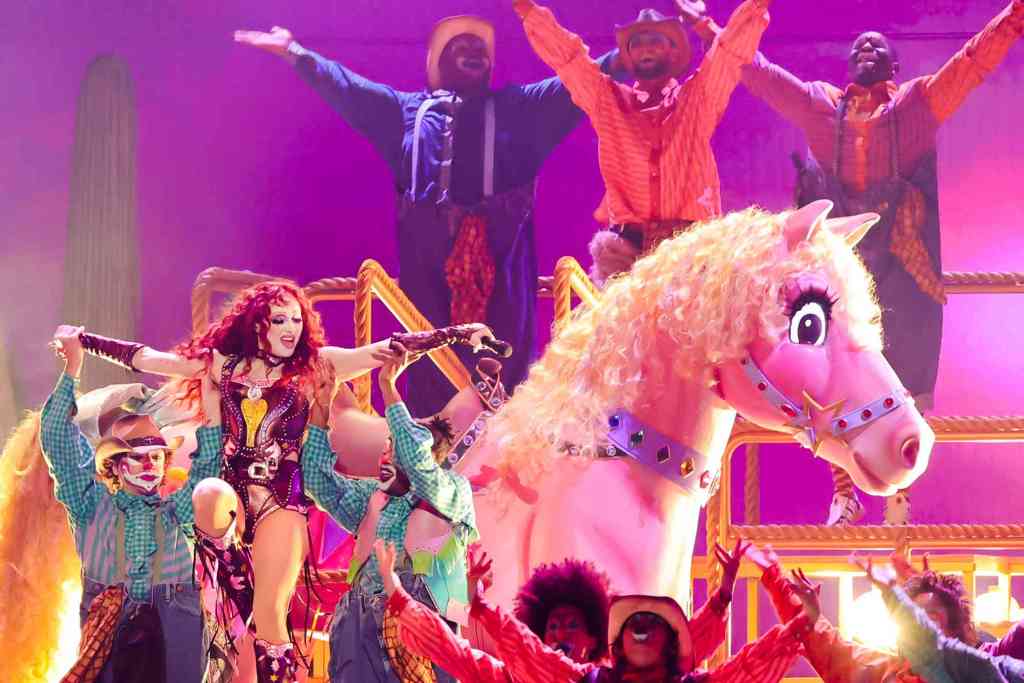
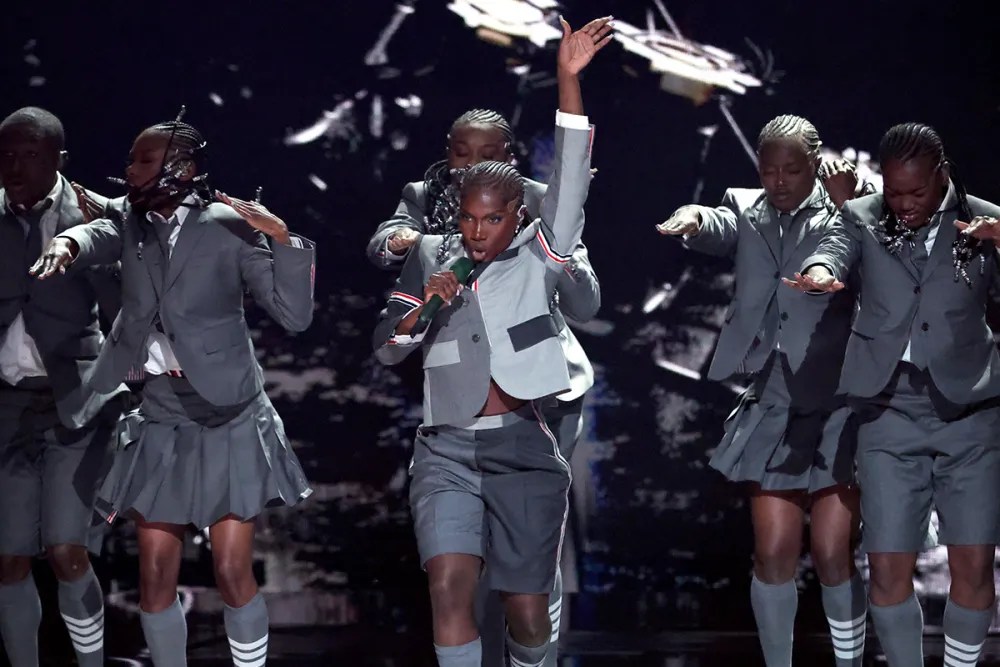
This year’s Grammys featured first-time Latino nominees including Feid, Young Miko, El David Aguilar, Rawyana, Khruangbin, Jessi Uribe, Carín León, and Madi Diaz, competing for awards such as Best Latin Pop Album, Best Música Urbana Album, Best Tropical Latin Album, Best Latin Rock or Alternative Album, Best Música Mexicana Album, and Best Latin Jazz Album. Their nominations not only reflected their growing influence but also highlighted the increasing diversity and global reach of the Latin music scene in the United States.
Throughout the event, several artists, including renowned Colombian singer-songwriter Shakira, who took home the Grammy for Best Latin Pop Album for her twelfth studio album “Las Mujeres Ya No Lloran,” dedicated their awards to the immigrants who help shape America.
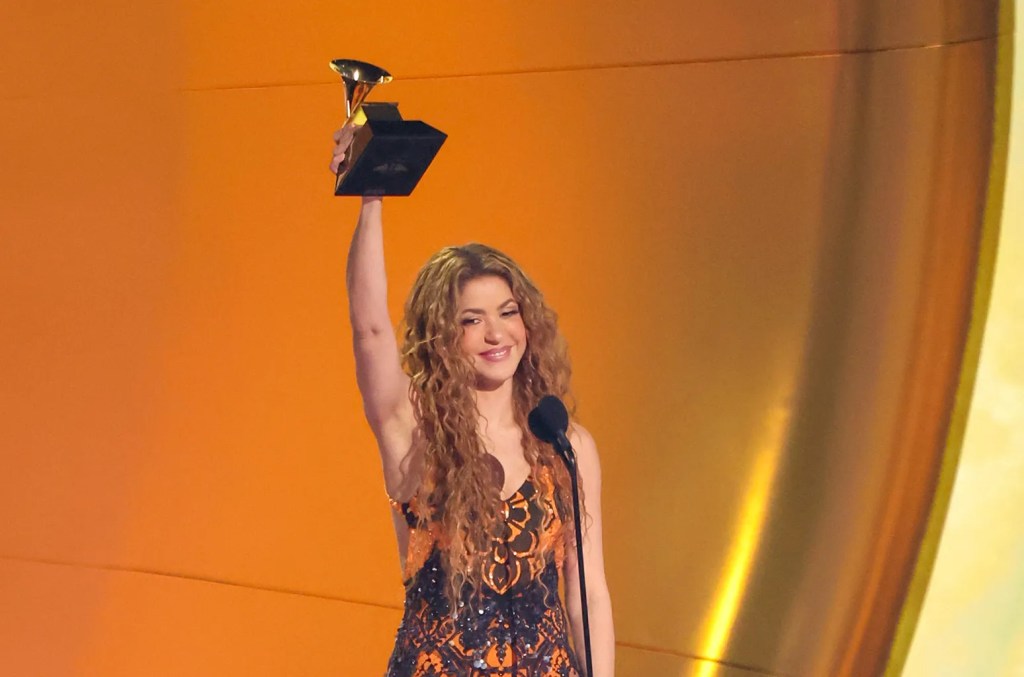
“I want to dedicate this award to all my immigrant brothers and sisters in this country. You’re loved, you’re worth it, and I will always fight with you,” Shakira said in her acceptance speech.
Her sentiments along with the comments of other artists throughout the night, sent a reassuring message to Latinos, who may be feeling overwhelmed due to the uncertainty of the current political climate, especially with ongoing deportations and the aggressive tactics of ICE under the Trump administration, reminding them that they are loved, valued, and seen.
Shakira’s moving speech sparked conversations within the Latin-American community. Ana Navarro, a Nicaraguan-American political strategist and commentator shared that Shakira’s speech inspired her.
“She took the chance, she took the opportunity to use her platform to defend our community that’s being targeted and profiled,” Navarro said. “More people need to lose the fear and do what Shakira did last night.”
Sergio Varela, a human biology major at Hunter, reflected on the significance of Latino representation.
“I believe that the presence of Latin artists at the Grammys, especially amid the tense climate surrounding immigration policies, can have a profound impact on the perception of Latinos across the United States,” Varela said. “It not only showcases the talent and contributions of Latin artists but also sends a powerful message to Latin communities that they are seen, heard, and valued, especially during such challenging times.”
The main Grammy ceremony was not the only pinnacle of the night. The Premiere Ceremony, a pre-telecast event held earlier that day, honored and celebrated numerous Latinos.
Hosted by American songwriter and singer Justin Tranter, this ceremony is where many Grammy Awards are presented, before the main televised broadcast of the evening. The ceremony itself also discusses the Recording Academy’s voting process for these prestigious awards that celebrate the diverse music industry.
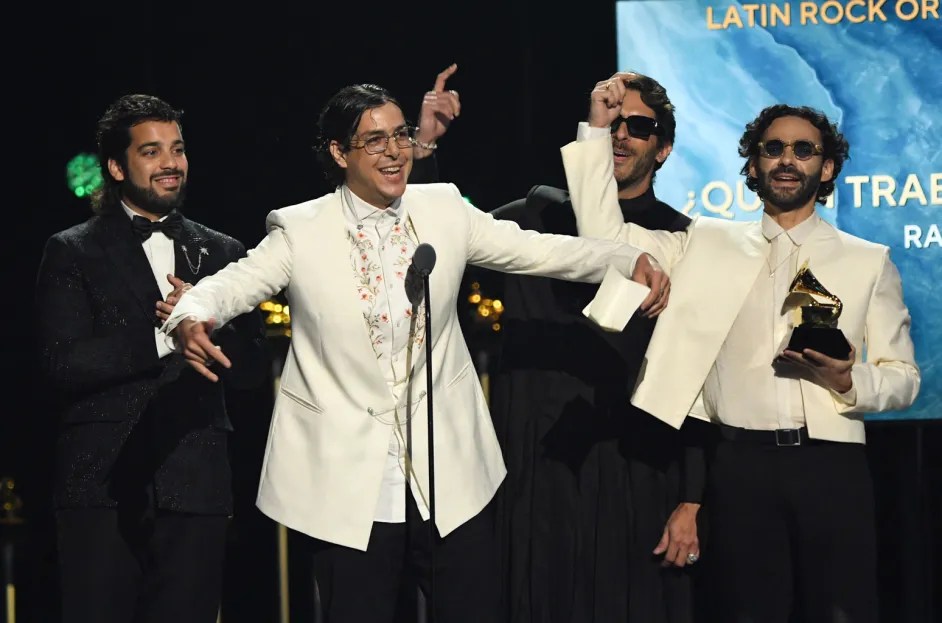
Artists such as Venezuelan band Rawayana and Mexican superstar Carin León won their first Grammys. Rawayana dedicated their heartfelt speech to Venezuela, urging Venezuelans to take pride in their culture and heritage, regardless of society’s opinions. Similarly, Carín León expressed his pride with a brief yet powerful statement.
“Viva México!” he said.
During the premiere ceremony, Peruvian-Japanese mother-son duo Tony and Mimy Succar won the Best Tropical Latin Album for “Alma, Corazon y Salsa” where Mimy Succar, the first Peruvian woman to ever win a Grammy, gave an ardent speech dedicating her award to both her family and country.
“I’m so thankful to God and to the Academy for this opportunity,” Succar said. “I’m truly new in this, and I’m so happy and thankful to my family and my kids for the support. Thanks to all of you and God bless you. This is for Peru and for my father.”
Later in the evening, Mexican-American singer, songwriter, and drummer Sheila Escovedo and Cuban-American singer Gloria Estefan and Mimmy Succar were awarded Best Global Music Performance.
“But just to explain to you real quickly that this kind of music can’t exist without diversity. People from Venezuela, Peru, Japan, Mexico, Cuba, Puerto Rico,” Escovedo said, highlighting the importance of diversity when creating globally recognized music. Her speech further challenges the harmful stereotypes such as the misconception that Latinos come to steal jobs from Americans as well as the barriers such as language that often divide Latinos all over the country.
Another memorable moment throughout the night was when Mexican music educator and composer Gabriela Ortiz took home three Grammys for her exceptional album “Revolución Diamnatina,” she was honored with Best Contemporary Classical Composition, Best Classical Compendium, and Best Orchestral Performance in collaboration with Venezuelan conductor Gustavo Dudamel.

Ortiz expressed in her acceptance speech that she dedicated the award to those who constantly fight against oppression.
“This award is dedicated to all the brave women in Mexico and in the world who fight against injustice every day,” Ortiz said.
Ortiz also emphasized the gravity of being a Mexican woman honored with such a prestigious award considering the current political climate.
“I think it’s a very important recognition, and especially for a Mexican composer for a Mexican artist, for me, it means a lot,” she said.
Latin representation at the Grammys has been a longstanding issue for years. Just last year, at the 66th Annual Grammys, critics pointed out the lack of recognition for artists such as Mexican superstar Peso Pluma and Colombian reggaeton hitmaker Karol G who many felt lacked recognition on so many levels. However, this prominent issue stretches far beyond the last few years.
The establishment of the Latin Grammys back in 2000, intended as a separate platform for Latin artists, has been viewed by some as a way to diminish the presence of various Latin artists in the mainstream Grammys.
“The Academy, America, and the broader music industry often cherry-pick which aspects of Latin music and culture they choose to celebrate based on what they deem appealing. The awards given to these artists often go under the radar, and it feels like certain parts of Latin culture are highlighted over others,” said Leila Delgado, a media studies major at Hunter. “I believe the celebration should be more inclusive, and speeches like Ortiz’s should be televised to highlight the importance of Latin representation especially considering the political climate now.”
This year’s Grammy Awards served as a reminder to all Latinos and minorities in America that they are capable of achieving anything, even in a society dominated by white supremacy. The awards and nominations throughout the night challenged and transcended the racist ideals that have been perpetuated, particularly during the Trump administration.
However, some argue that the celebration of Latin culture is still somewhat selective.
Luis Johansel Cruz, a media assistant at Hunter’s Center for Puerto Rican Studies, said he believes the Grammys lack diversity and fail to represent many global musicians.
“The voting system feels unfair and rigged, with the same big names always winning. It seems like they prioritize the wealthiest, most marketable artists,” he said. “More voices, especially from Latin and smaller artists, need to be heard. We need more recognition for emerging talent and a shift away from these biased institutions to reinforce this idea that although we are the minority we are the majority in America.”
The 67th Annual Grammy Awards showcased significant efforts in highlighting Latin talent and also served as a statement of unity and resistance, challenging the political climate that prevails currently under the Trump administration. Although this musical award season celebrated many new Latino artists, it is crucial that as the music industry and platforms like the Grammys expand, they broaden their definition of what it means to be “celebrated.”

 The Envoy
Leave a Reply