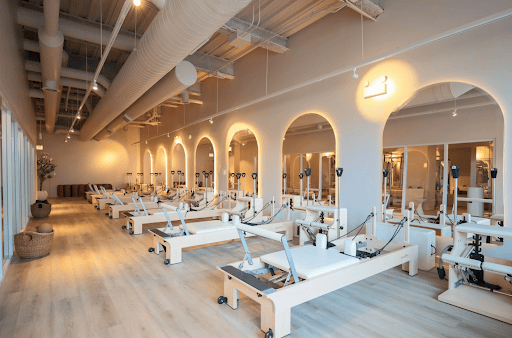
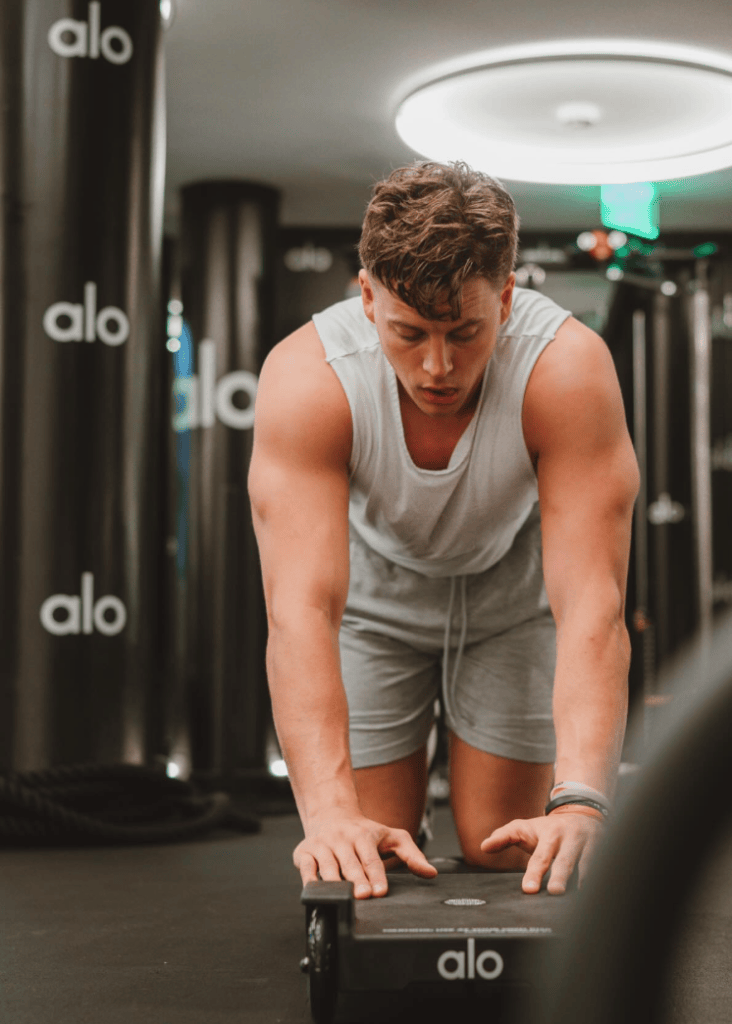
When Cincinnati Bengals quarterback, Joe Burrow was spotted practicing reformer Pilates at the Alo Yoga gym in Los Angeles, many of the comments read things like “Hit the weight room”, “Please follow up with his salon appointment. Pedicure and perm!” or simply “Definitely gay.” He may have been onto something, though. The quarterback has dealt with injuries for nearly half of his National Football League career, including soft-tissue and ligament damage. Reformer Pilates focuses on building strength, stability and flexibility, which builds resistance, reduces injury risk and supports rehabilitation.
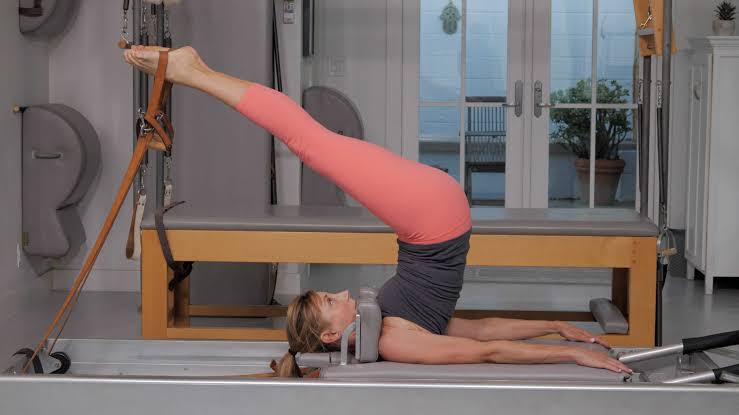
In fact, the method originated with a professional athlete. Joseph Pilates, the renowned inventor, was a professional boxer whose experience in the contact sport influenced many of his exercises, alongside other inspirations. The “short spine” exercise, for example, strengthens specific neck muscles to help protect the spine when taking contact hits.
At its core (pun slightly intended), Pilates emphasizes body control. Originally known as “contrology,” the practice incorporates breathwork, spinal alignment, deep core engagement, and concentration to help practitioners connect mind and body. Each exercise targets the transverse abdominis (deep core muscles), while improving stabilization and mobility in smaller more localized areas of the body. For an athlete accustomed to weight rooms and intense conditioning designed to push you to your breaking point, a low-intensity workout like Pilates can feel unnecessary. However, most athletic conditioning programs focus on strengthening muscles and, as a result neglect to build resilience in joints and ligaments.
Pilates’ emphasis on strengthening the body through integration of muscular, fascial, and connective tissue systems offers a different kind of strength that supports joints and soft tissue in ways athletes need protection. This seemingly small addition can help reduce the overload on hamstrings, ACL/MCL’s, and rotator cuffs, some of the most common injuries in sports.
Incorporating Pilates into a professional athlete’s regimen is not new. In fact, taking a look at athletes with the longest and most successful careers will illustrate the success of its incorporation into athletics. LeBron James, Eric Kendricks, Cristiano Ronaldo, Tiger Woods, Jake Arrieta and Andy Murray all practice contrology and emphasize its success.
Jake Arrieta, former pitcher for the Chicago Cubs, is one of the first athletes to swear by Pilates and use it as a crucial part of his training. The Cy Young Award winner for outstanding pitching practiced six to seven times a week and shared in an interview with ESPN.
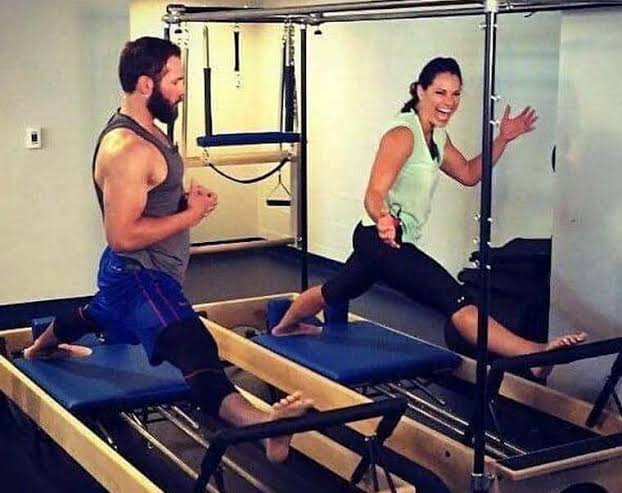
“Pilates allows me to prepare my body…Pilates gets me into a position where I’m activated, I’m loose, and I’m ready to go as soon as I step on the field,” Arrieta said.
Eric Kendricks a famous American football player claims that Pilates has added at least 2 years to his career and has become a vocal supporter of it for athletes. In a video with Nicky Lal (Fuerza Pilates), he mentions the relief he feels throughout his entire body, specifically mentioning the lineman starting position and how Pilates releases tension he is required to hold in his back throughout a game.
Pilates is certainly more beneficial to some players than others. The exercise focus on mobility and flexibility, which is more highly valued at a position that has twisting and hypermobility movements that put pressure on specific body parts. A baseball pitcher like Arrieta, throws 95 MPH fastballs 100 times a game. His rotator cuff is constantly worn down, and working on building stronger mobility there will allow him to throw deeper into a game without injury.
However, even positions that rely on brute force can benefit. For example, a lineman or linebacker like Kendricks begins each play in a bent stance, putting pressure on their lower back for extended periods. Pilates can offer relief and encourage lower abdominal and lower back strength, allowing the core to bear some of that weight during games.
Alisa Nudar, A Hunter College student who practices Reformer Pilates also noted this, stating that “I remember someone mentioned they have back pain and the instructor went and asked her the location of the back pain to be able to individualize the movements we do in class to help her back pain,” Nudar said.
Nudar also shared her thoughts on Pilates for athletes.
“I genuinely think it can help with endurance, and since the reformer is adding tension, you really have to be in control of your body and fight against the tension, which is a lot harder than you may think,” Nudar said.
Pilates is certainly not a replacement for professional athletic strength and conditioning. However, the support it can provide could be make-or-break for injury prevention and longevity. Kendricks and Arrieta both mentioned using Pilates to “loosen themselves up”, whether that be a session before hitting the weight room or hopping on the reformer before taking the mound.
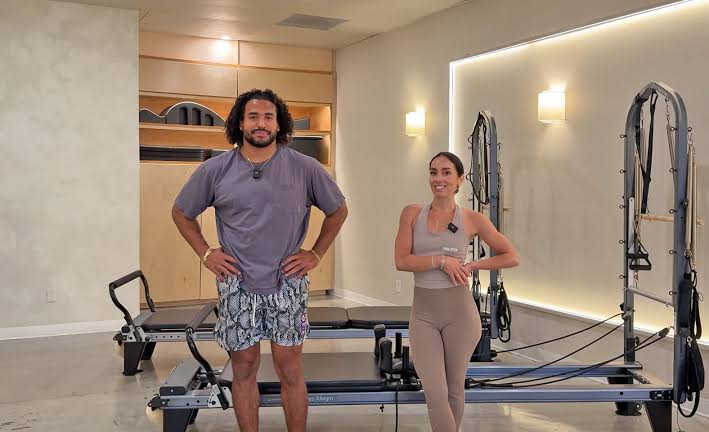
So why not just a good stretch session? For a professional athlete, the extra layer of tension and resistance provided by the reformer can offer a deeper level of engagement. Instead of simply stretching out the hamstrings, they can build resilient tissue structure to prevent injury.
In a profession where you are always looking for an extra leg up, taking a peek at different forms of exercise might be the secret weapon. Though the feminine image of reformer Pilates leads to hesitation hopping on a reformer next to your partner might allow you to play in a few more games just like these athletes. And who knows maybe one day in the postseason you’ll have to balance on one high-heel to launch a pass across the field and you’ll know where your ankle strength came from.


Leave a Reply