An Interview with Band NewDad Regarding their Relationship with New York City, Breaking into the Industry, the Current Culture of Music and its Discovery.
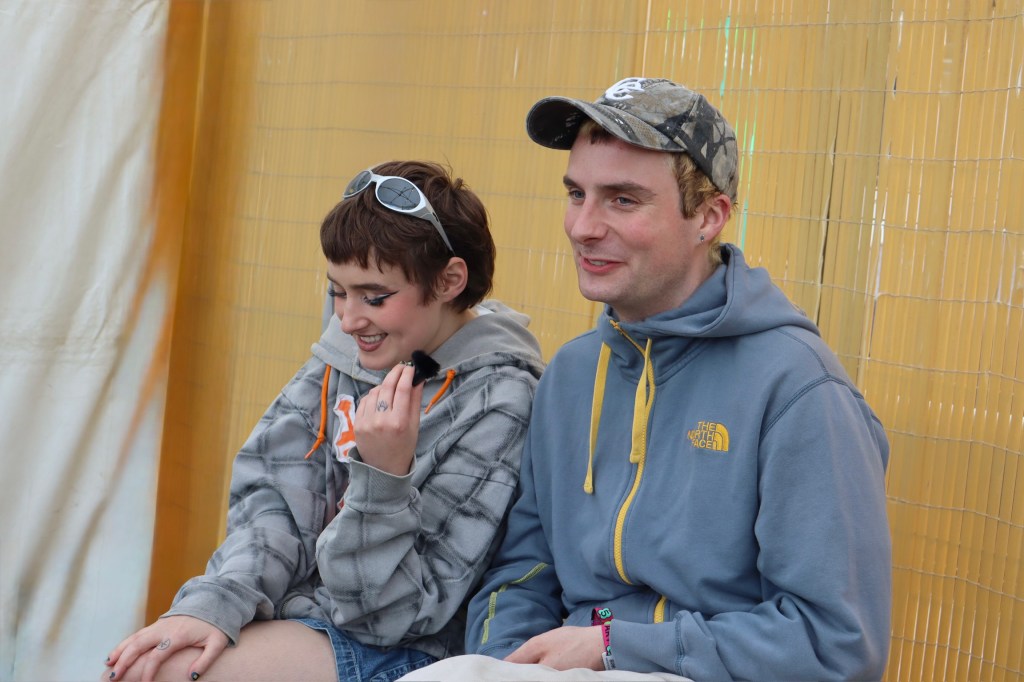
It is not often fans get to see a band from Galway, Ireland on a setlist like Primavera Sound. Far removed from its bedroom recording sessions, NewDad’s indie-shoegaze sound has since resonated well beyond Ireland. The four-piece band brought its raw, emotional melodies to the Estrella Damm stage at the Primavera Sound festival in Barcelona on June 5th.
The group’s latest album, “Altar” was released in September, and NewDad recently wrapped up its 2026 North American tour supported by British indie rock musician, Freak Slug. For them this was a milestone that would have seemed unimaginable just a few years ago but the tour quickly reflected the band’s rapid rise.
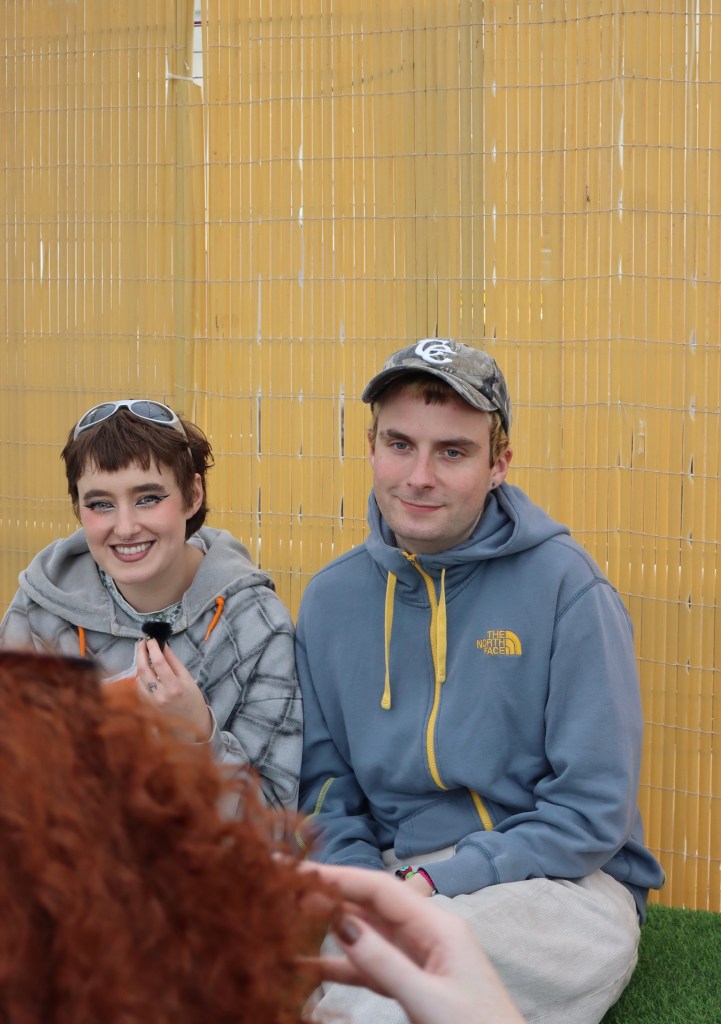
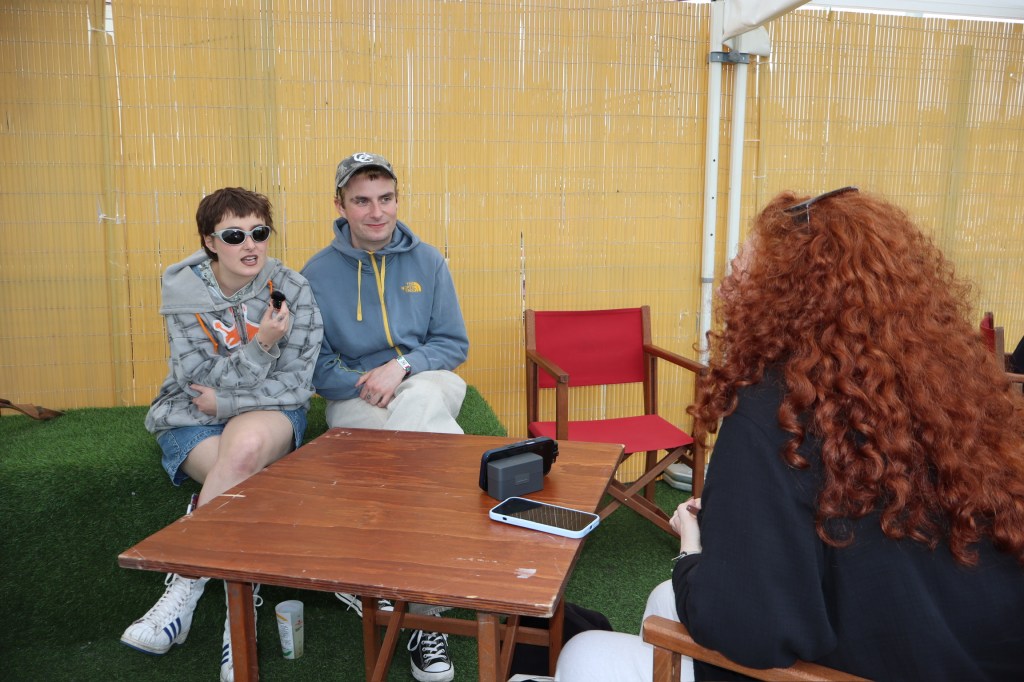
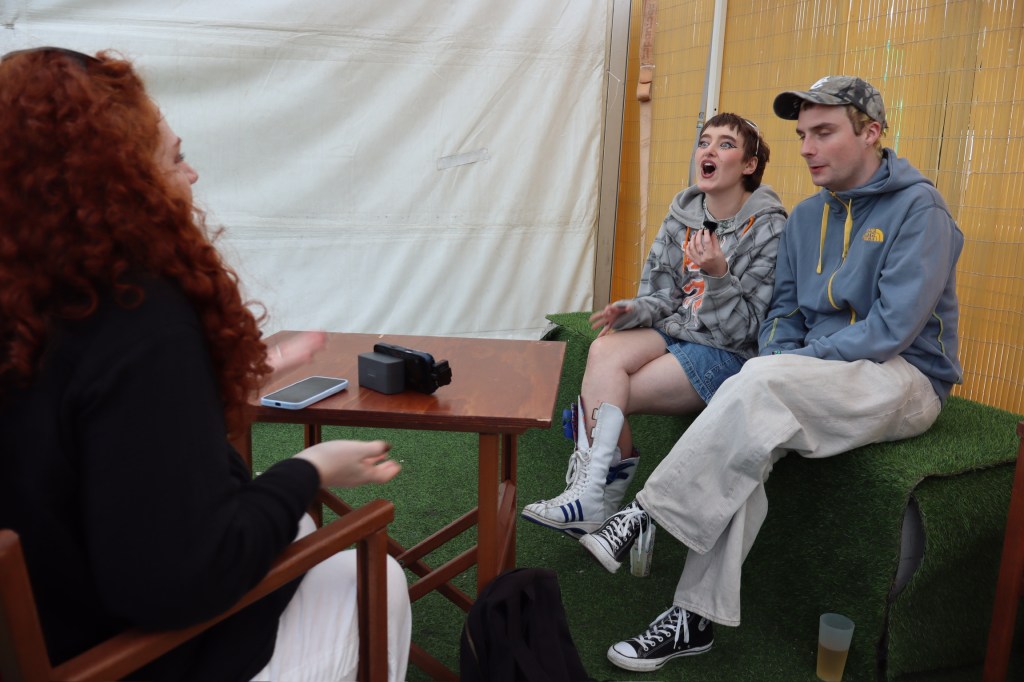
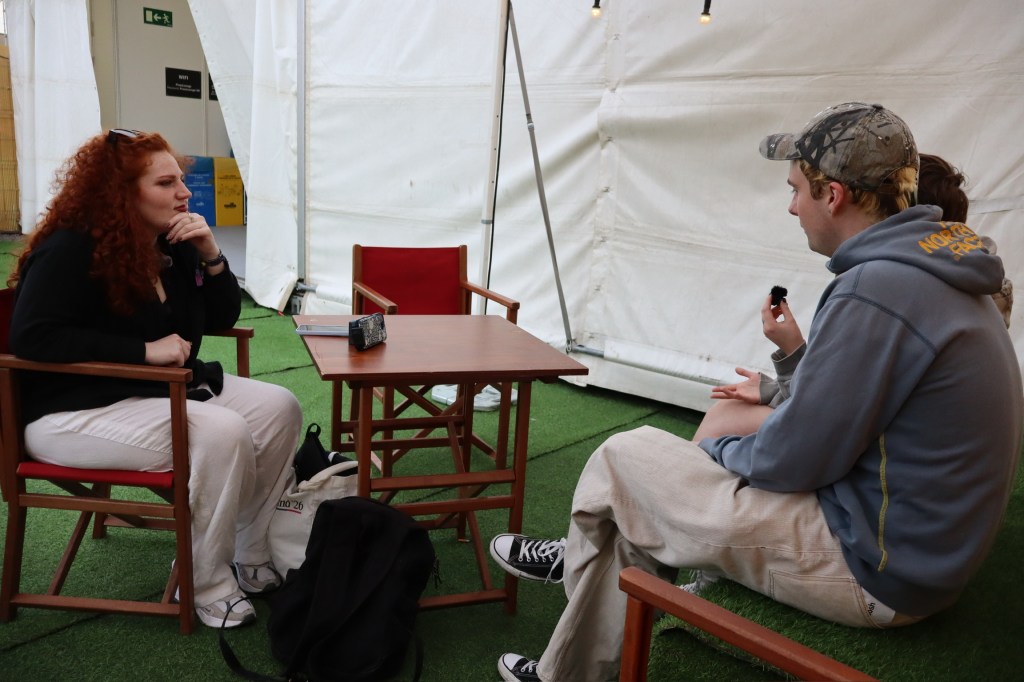
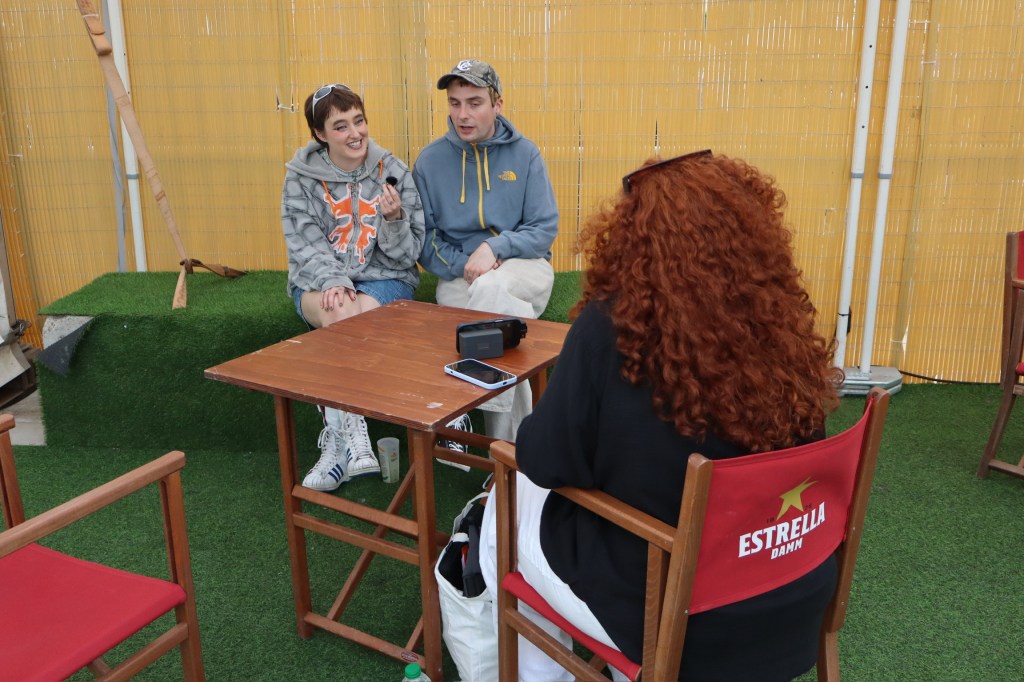
The Envoy spoke with vocalist Julie Dawson and guitarist Sean O’Dowd about the band’s journey and how their experiences resonate with many students at the City University of New York.
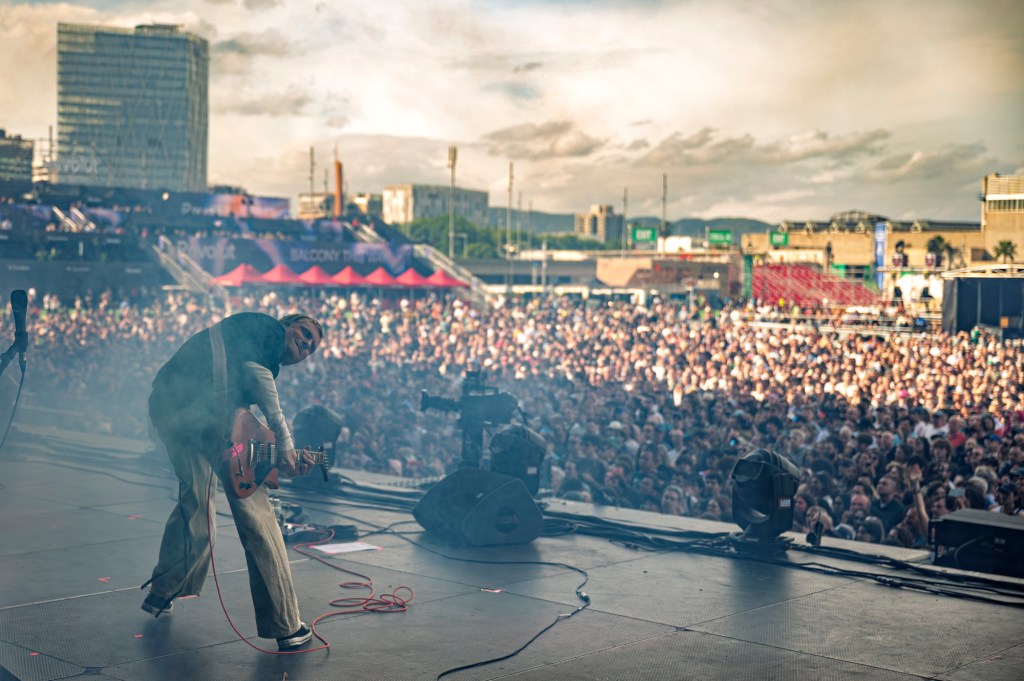
Coming off an electric set on the Estrella Damm stage at the Parc del Forum, an event venue in Spain, Dawson and O’Dowd said the Primavera performance drew the largest audience of their career. The crowd was absolutely buzzing with enthusiasm, making for an unforgettable experience for festival-goers. While onstage, the group expressed its gratitude for the opportunity to play for festival attendees and reflected on how surreal the moment felt.
Having just played in Manhattan, and Brooklyn the year prior—how would you describe that experience in comparison to today’s? What did it feel like?
Dawson: It all seems so far fetched at times. If I had said we were playing this festival, on this stage to myself…To this day, when I found out we were playing this stage [Estrella Damm], I was like, Are you sure? Is that a typo? *laughs*
Dawson: But—New York. It’s always such a special one. I feel like I never really remember the New York show because it’s always such a rush!
O’Dowd: Yeah, I agree. For us, it feels like it’s the biggest show in some ways, you know? Wherever you’re from, you see New York everywhere growing up, and you see it as such a unique place. It feels so separate from the rest of the country, such a cool place. Playing there is always something special in our hearts, like you’re playing to the world. We heart New York—big time.
The uncertainty O’Dowd and Dawson described is not new to young artists. Sociologists have noted that many Gen Z adults are faced with navigating nationwide rising education costs, a competitive job market and shifts in social norms for personal and professional development prior to committing to long-term partnerships. With these pressures in mind, The Envoy asked the pair how support systems have shaped their creative careers.
Within CUNY, and specifically at Hunter College, we have tens of thousands of kids trying to pursue their creative dreams. They’re artists, poets, musicians, and filmmakers. When it comes to the notion of “following your dreams”, some parents or loved ones often encourage their children to “be sensible”, or to go into a field that is “more stable”. Did either of you experience something like this? How did/do you cope with that?
Dawson: I’m very lucky, I never went to college, I had parents who supported me, and I am so grateful to have had that. Like, people have to work. But I was in a position where I could work part-time and work on my music. I know that not everyone has that opportunity, especially in the current climate of things, and I just feel so lucky.
O’Dowd: Probably only four days ago I was like, oh, maybe I should just be an accountant. Use my love of spreadsheets. And the irony is that it would be a lot simpler! *laughs*. But then, I sit down and I write a good guitar riff and I’m like, No. This is what I’m built for.
Dawson: It’s definitely hard, with the state of the music industry, to feel like you’re succeeding. Every other day, you’re hearing something new and you’re hearing something else. But I think if you truly love doing something, as long as it makes you happy—do it. Like, I still just can’t believe we just played this stage today!
O’Dowd: Yeah, yeah. Every week is different, but those are the moments that keep the love going! I definitely realize that it is so special, and that we’re so lucky to do what we do.
In the fast-paced digital world we live in, self-doubt born from comparison feels more apparent than ever. Whether it’s your career, where you live, the clothes that you wear or the way you look, the virality of social media is bittersweet. The shareability of interactive media has certainly opened doors for artists like NewDad looking to breakthrough.
The cyclical resurgences most commonly seen within fashion are now being applied to music. Fleetwood Mac, The Smiths and The Cure – all classics and household names – and yet they have an entirely new generation of fans and revivalist listeners. Discovery used to mean hearing a debut single on the radio, reading about an up-and-coming artist in a magazine, or simply listening to a friend’s recommendation from a newly bought CD or cassette. Oftentimes, what seems to resonate most strongly with people when it comes to music—or any art—is the ability to tie its point of discovery to a specific person, place or time in their lives.
Today, many young people are discovering new music through algorithms, as opposed to the word-of-mouth marketing previous generations might have been more familiar with. Platforms like TikTok and Instagram offer talented people an avenue to share their art that they might not have had otherwise—NewDad included. But it begs the question: Is discovering music offline more significant in our modern era?
We asked Dawson and O’Dowd to share their experiences with this idea:
O’Dowd: An example that comes to mind is the band Water From Your Eyes—
Dawson: Oh my God, Yes!
O’Dowd: Like, I myself found them through an algorithm of some sort and—
Dawson: [to O’Dowd] I heard about them through your friend!
O’Dowd: But like, that’s it! That’s exactly it. A lot of people are hearing about them through other people, and I’ve heard about them through so many great people. I think that’s great because their music is brilliant! I also think it’s great because there’s so much music coming out all of the time right now—but the great stuff, and the really important stuff, the really cultural stuff—that’s what is happening via word of mouth, and that’s the stuff that is sticking with people, evolving, and creating scenes again.
O’Dowd: I think that there’s been a severe lack of scenes, but I think that’s coming back for this reason.
Dawson: Yeah. Exactly. Big time.
Dawson: It feels like gigs are kind of the last thing left of that world that we have and it’s so visceral. For us, we’re seeing The Cure again, which feels like a full-circle moment. The whole band went to see them together, and we were so new to playing together–we hadn’t even released any music. And when we saw The Cure, we were like…Oh my God. We should go for it.
O’Dowd: Yes. And that was the moment that, like…made us want to do it! You know, like, let’s try this! And now, it’s like, we’re performing a set right before them, here at Primavera Sound, and it really does feel full-circle in that way.
Six years post-pandemic, it feels like “the city that never sleeps” has had an early curfew. The “lack of scenes” O’Dowd referenced is something very real, and something our student body can personally attest to. It is a tragic byproduct of the increased levels of digital interconnectivity. Students and young adults especially, are yearning to experience art and movements that are untainted by rising costs and the photo-op, influencer-centered culture we’re currently living in.
Not only are young people socially affected by today’s culture, but music fans of all ages are feeling the economic effects of its inaccessibility. Live music has always been an affordable mode of entertainment for the masses, yet today, many are being priced out of the experience—affecting both artists and fans. While ticket scalpers have existed since the mid-18th century, the expansion of e-Commerce has necessitated online ticket buying/selling platforms like Live Nation and Ticketmaster, to undergo federal Department of Justice regulations. Rising ticket costs, legal shortcomings in regulating online ticket marketplaces and alleged antitrust practices have increasingly limited artists’ earning potential and opportunities for live performance.
The Envoy asked the pair about their thoughts on some of this, and how many artists are forced to cater to this ultra-commercialized, digital celebrity lifestyle.
“Word of mouth”, underground, and “if you know you know” artists, venues,—even bars and restaurants— are so deeply embedded into NYC culture. Recently, that’s been muddled by social media—one viral video, and something is then “ruined”, overrun, or egregiously priced. What are your thoughts on this?
Dawson: Yeah. It is definitely a bizarre way of having to operate when all you want to do is just make music, and make art, and be genuine. But you can’t. You can’t pander. I mean, people do and that’s OK! Like, yeah, your bag *laughs*. But truly, that’s not what it’s about for us. And then, I have to say, when you meet people at shows and they really resonate with that, and what you’re doing, it is reassuring. Like, OK, we’re headed down the right path—even if it’s a slower path…that’s fine by me.
O’Dowd: Absolutely. And I think that’s what stands the test of time. Like even with the pop stuff. Look at, Wham!, for example. You know, look at anything like that. They were making music that they loved, and it was very commercial..but they loved it!
The band’s testament to their passion and authenticity is not surprising, as it’s a big reason their fan base is growing, and connects with them so deeply. When your heart is in what you’re creating, it shows, as it does when you’re heart’s not in it.
This was the final message NewDad had for those pursuing their dreams in New York City, and elsewhere:
Get involved in the scene. Go out to the grassroots venues and support your other local artists. Even if you’re not from somewhere nearly as big as somewhere like New York City. Put on shows, go to shows, and meet people in the same world as you. Find the people who love what you love, and don’t stop until you do. Surround yourself with good people, and use your voice for good, even if it’s smaller.
It all matters, it all matters.
-NewDad


 The Envoy
Leave a Reply